
Trusted by 155+ Homeowners
Storm Damage Restoration in Lincoln Park, CA
- Over 157 5-Star Reviews
- Free Estimates and Quotes
- 100% Satisfaction Guaranteed
- Child, Family & Pet Safe Steps
- 24-Hour Emergency Service
- Fully Licensed & Insured

When the Sky Opens Up: Storm Damage Restoration in Lincoln Park, CA
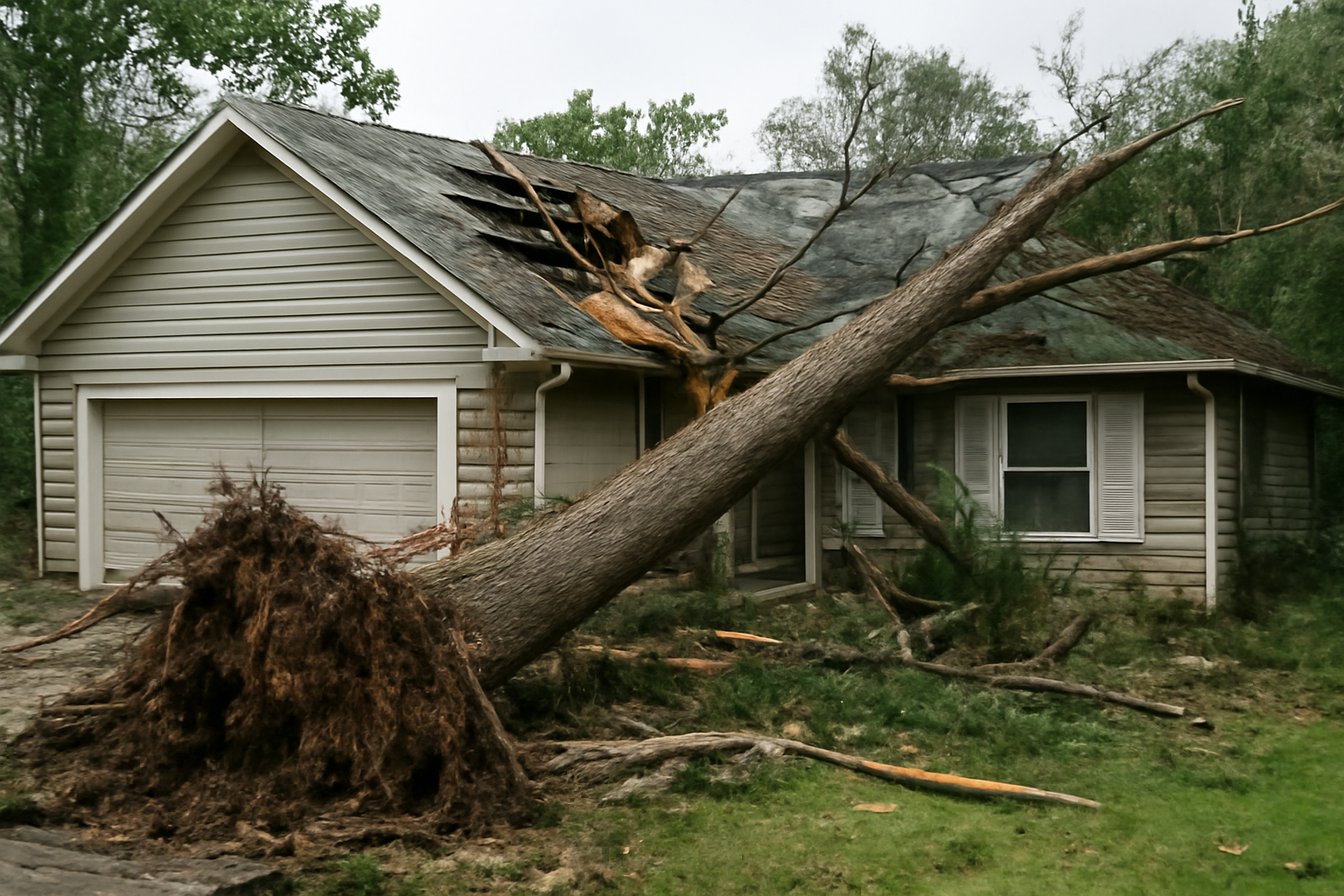
You walk into your living room, and the ceiling plaster is sagging, dripping water onto your carpet. Or maybe the wind has ripped shingles off your roof, letting rain pour into your attic. That sudden, unwelcome mess is what we mean by storm damage, and it needs immediate attention. Dealing with a leaking roof now or waterlogged walls today can feel overwhelming. It’s a stressful situation, but knowing what to do next makes all the difference.
Homeowners around here have trusted our team for over 165 five-star reviews to handle these exact problems. We understand the urgency and the technical details involved in storm damage repair. When you need a fast, reliable response for your property, you can count on us to get it right the first time.
- We use advanced moisture detection equipment to find hidden water damage that could lead to mold growth later.
- Our specialized drying systems get your home back to pre-storm conditions quickly, preventing long-term structural issues.
- We handle everything from initial assessment and containment to complete structural drying and repairs, so you don’t have to juggle multiple contractors.
The Science Behind Storm Damage Restoration
Proper storm damage restoration isn’t just about mopping up water and patching holes; it’s a scientific process. When storms hit your property, they can compromise your home’s integrity in ways you can’t always see. Without the right approach, lingering moisture can cause significant problems, leading to costly future repairs and potential health concerns. We focus on the technical steps that ensure your home is truly dried and restored, not just superficially cleaned.
Initial Assessment and Water Extraction
Our technicians begin with a thorough inspection, using tools like infrared cameras and moisture meters to map out the extent of the water intrusion. We then use powerful truck-mounted or portable extraction units to remove standing water as quickly as possible. This first step is crucial for minimizing water saturation and preventing further damage to your structure and belongings.
Containment Procedures
To prevent cross-contamination and control the drying environment, we establish containment barriers. This involves using plastic sheeting and negative air pressure systems to isolate affected areas. This containment is vital for preventing mold spread and ensuring your indoor air quality remains safe throughout the restoration process.
Advanced Drying and Dehumidification
Once water is removed and areas are contained, we deploy specialized equipment like industrial-grade air movers and dehumidifiers. These machines work together to accelerate evaporation and remove moisture from the air and building materials. Monitoring humidity and temperature closely is key to achieving a thorough, deep dry, often taking several days depending on the severity.
Odor Control and Sanitation
Storm water can carry unpleasant odors and contaminants. We use professional-grade deodorizing and antimicrobial treatments to eliminate odors at their source and sanitize affected surfaces. This step is essential for restoring a healthy living environment and preventing lingering smells after the primary damage is addressed.
Structural Repairs and Reconstruction
After drying and sanitizing, we address any structural damage. This could involve replacing damaged drywall, insulation, flooring, or even making roof repairs. Our goal is to return your home to its pre-storm condition, ensuring all repairs are done to code and meet high-quality standards.
Don’t let storm damage linger. Call us today to get your home assessed and restoration started immediately. Prompt action means less damage overall and a quicker return to normalcy.
Key Warning Signs of Storm Damage You Shouldn’t Ignore
Storms can leave subtle damage that’s easy to overlook until it becomes a major issue. Catching these signs early can save you significant time and money down the road. Paying attention to these indicators is the first step in preventing bigger problems, like mold or structural compromise, from taking hold.
Musty Odors That Won’t Go Away
A persistent, damp, or musty smell, especially in attics, basements, or closets, is a strong indicator of hidden moisture. This smell often means mold or mildew is starting to grow behind walls or under flooring due to water that entered during the storm. Ignoring this odor means allowing mold to spread.
Visible Water Stains or Discoloration
Yellow or brown stains appearing on ceilings, walls, or even around window frames are clear signs of past or present water leaks. These marks show where water has penetrated the surface and can indicate ongoing issues from wind-driven rain or roof damage. Addressing these stains means stopping water intrusion at its source.
Sagging Ceilings or Walls
If you notice sections of your ceiling starting to droop or walls bowing inward, this is a serious warning sign. It means water has saturated the structural materials, weakening them significantly. This type of damage requires immediate professional attention to prevent collapse.
Peeling or Bubbling Paint and Wallpaper
Water damage can cause paint to blister and bubble or wallpaper to peel away from the wall. This occurs when moisture gets behind the finish, compromising the adhesive and the material itself. It’s a visual cue that water is compromising surfaces.
Cracks in Foundation or Walls
Severe storms, especially those with high winds or flooding, can cause new cracks to appear or existing ones to widen in your foundation or exterior walls. These fissures can allow more water to enter your home and indicate underlying structural stress. Don’t overlook foundation integrity now.
Increased Humidity Indoors
Even if you don’t see obvious leaks, a noticeable increase in indoor humidity, damp air, or condensation on windows can signal hidden moisture problems. This suggests that the storm may have compromised your home’s seals, allowing humid outside air or intruding water to affect your interior. Managing indoor humidity levels is key.
Storm Damage Restoration vs. DIY: When To Call a Professional
| Situation | DIY? | Call a Pro? | Why |
|---|---|---|---|
| Minor Puddles After Rain | Yes, for small, contained areas. | Yes, if recurring or widespread. | Recurring issues point to underlying roof or sealing problems that need expert assessment. |
| Wet Carpet in One Room | Maybe, with proper extraction and drying fans. | Yes, if water is deep, has soaked padding, or has been there for hours. | Deep saturation requires industrial equipment for thorough drying and mold prevention. |
| Leaky Window Frame | Yes, for minor drips and surface drying. | Yes, if water is entering walls or causing stains. | Water inside walls can lead to hidden mold and structural damage requiring specialized drying. |
| Roof Leak During a Storm | No. | Yes, absolutely. | Roof work during a storm is dangerous; professionals assess and repair structural roof damage safely. |
| Ceiling Sagging from Water | No. | Yes, immediately. | This indicates significant structural compromise requiring immediate expert intervention to prevent collapse. |
| Musty Odors After a Storm | No. | Yes, if persistent. | Persistent odors signal hidden mold growth that needs professional remediation and drying protocols. |
While minor water spots might be manageable with DIY efforts, significant storm damage involving structural compromise or widespread saturation always benefits from professional attention. Our team has the specialized equipment and expertise to handle complex water intrusion safely and effectively.
Storm Damage Restoration Cost In Lincoln Park, CA
The cost for storm damage restoration in Lincoln Park, CA, varies greatly depending on the extent of the damage, the size of the affected area, and the specific materials that need repair or replacement. These figures are general estimates and can change based on your unique situation. A thorough on-site assessment is always required for an accurate quote.
| Service Aspect | Typical Price Range | What Affects Cost |
|---|---|---|
| Water Extraction & Removal | $500 – $3,000 | Volume of water, accessibility, and speed of response. |
| Structural Drying & Dehumidification | $1,000 – $5,000+ | Size of affected area, saturation level, and duration of drying needed. |
| Containment & Air Filtration | $300 – $1,500 | Complexity of containment setup and need for HEPA filtration. |
| Mold Testing & Remediation | $500 – $4,000+ | Severity and spread of mold growth, and type of remediation required. |
| Interior Wall/Ceiling Repair (Drywall, Insulation) | $500 – $3,000+ per room | Square footage, material costs, and complexity of repair. |
| Flooring Replacement (Carpet, Tile) | $500 – $5,000+ per room | Type of flooring, square footage, and subfloor damage. |
Understanding these factors helps, but the best way to get a clear picture of costs for your specific storm damage is to get a free, no-obligation estimate from our team. We’ll walk you through the assessment and explain all your options.
Service Areas Near Lincoln Park, CA
San Diego, La Jolla, Coronado, Chula Vista, National City, Imperial Beach, Poway, Rancho Bernardo, Mira Mesa, Sorrento Valley, Kearny Mesa, Linda Vista, Mission Valley, Clairemont, Pacific Beach, Ocean Beach, Point Loma, Hillcrest, North Park, South Park
Common Questions About Storm Damage Restoration
What should I do immediately after storm damage occurs?
Your first step should be to ensure your family’s safety and then to call us. If it’s safe to do so, try to mitigate further damage by placing buckets under leaks or covering damaged areas with tarps. Documenting the damage with photos or videos is also helpful for insurance purposes. We’ll guide you through the next steps for prompt, safe assessment.
How long does storm damage restoration typically take?
The timeline for storm damage restoration varies significantly. Simple water extraction and drying might take 3-5 days. However, if structural repairs are needed, or if mold is present, it could take weeks. We aim for efficient, thorough drying and will provide an estimated timeline after our initial assessment.
Is storm damage covered by my homeowner’s insurance?
Most homeowner’s insurance policies cover damage caused by sudden and accidental events like windstorms or hail. However, coverage for floods or slow leaks due to poor maintenance might be excluded. We can work with your insurance adjuster to ensure a smooth claims process and document the necessary repairs for coverage.
Can storm damage lead to mold growth, and how do you prevent it?
Yes, storm damage often creates the perfect conditions for mold to grow, especially if moisture isn’t removed quickly and thoroughly. We prevent mold by using specialized drying equipment to get materials back to a safe moisture content within 24-48 hours. We also apply antimicrobial treatments to affected areas to inhibit growth, ensuring a healthier indoor environment.
What kind of equipment do you use for storm damage drying?
We utilize professional-grade equipment designed for rapid and effective drying. This includes high-speed air movers to create airflow, industrial dehumidifiers to remove moisture from the air, and advanced moisture meters and thermal imaging cameras to detect hidden water. This specialized technology allows us to tackle deep saturation challenges that standard fans and vacuums can’t handle.
Check Our Other Relevant Services
- Church Water Damage Restoration in Lincoln Park, CA
- Pinhole Leak Water Damage Restoration in Lincoln Park, CA
Serving Lincoln Park, CA And Nearby Areas


