
Trusted by 155+ Homeowners
HVAC Water Damage Restoration in San Marcos, CA
- Over 157 5-Star Reviews
- Free Estimates and Quotes
- 100% Satisfaction Guaranteed
- Child, Family & Pet Safe Steps
- 24-Hour Emergency Service
- Fully Licensed & Insured
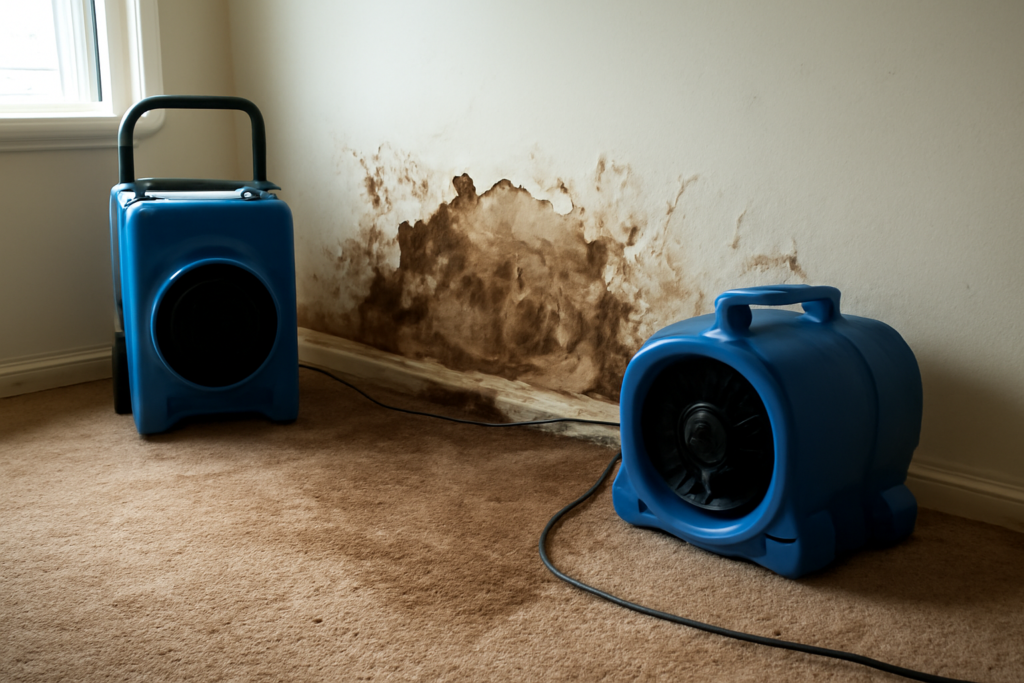
When Your HVAC System Becomes a Water Source in San Marcos, CA
Did you know that your HVAC system, designed to keep you comfortable, can sometimes become the source of serious water damage? It’s true. Leaks from AC coils, drain pans, or condensation lines can saturate insulation, drywall, and even your flooring before you even notice. Ignoring these subtle signs can lead to mold growth and structural issues. You need to be aware that water pooling near your unit is never a good sign, and it’s often the first indicator of a bigger problem that needs immediate attention.
Locally, homeowners trust our team because we understand the unique challenges that HVAC water damage presents. With over 165 five-star reviews, you can see why so many in your neighborhood choose us for swift and effective repairs. We’ve helped countless families restore their homes after unexpected leaks from their heating and cooling systems, and we’re ready to help you too. You’ll find our approach is always direct and focused on getting your home back to normal, fast.
- Rapid water extraction specifically from HVAC components prevents widespread mold and mildew growth, protecting your indoor air quality.
- We target drying efforts directly at saturated ductwork and insulation, minimizing disruption to your home’s structure and saving on repair costs.
- Our specialized equipment can reach difficult areas within your HVAC system and surrounding walls, ensuring complete moisture removal that you can’t achieve on your own.
How We Tackle HVAC Water Damage Head-On
When your HVAC system starts leaking, time is absolutely critical. The longer water sits, the more damage it causes, and the higher the cost to repair it. That’s why our process is designed for speed and thoroughness, ensuring we address the moisture at its source and prevent secondary issues like mold. We’ve seen what happens when delays occur, and it’s always more complex and expensive for you. Our focus is on quick, efficient action to restore your property safely.
Step 1: Emergency Water Extraction
Our first priority is to remove standing water from your HVAC unit, drain pan, and any affected surrounding areas. We use powerful submersible pumps and extractors to pull out as much water as possible. This step is crucial for stopping the immediate damage and begins the drying process. You can expect this phase to be completed within a few hours, depending on the volume of water.
Step 2: Advanced Drying and Dehumidification
Once the bulk of the water is gone, we deploy specialized drying equipment. This includes industrial-grade air movers and dehumidifiers designed to pull moisture from the air and materials like insulation, drywall, and wood. We monitor humidity levels closely to ensure everything dries properly. This intensive drying can take anywhere from 24 to 72 hours, sometimes longer, depending on the extent of saturation.
Step 3: Moisture Detection and Assessment
Using advanced moisture meters and thermal imaging cameras, our technicians locate hidden moisture that might still be trapped within walls, ceilings, or ductwork. This ensures we’re not missing any wet spots that could lead to future problems. This detailed assessment is key to a complete restoration and usually takes a few hours, integrated with the drying process.
Step 4: Cleaning and Sanitizing
After drying, we thoroughly clean and sanitize all affected areas and components of your HVAC system. This step is vital for removing any contaminants that may have been introduced by the standing water and preventing mold growth. We use EPA-approved cleaning agents to ensure a safe and healthy environment. This typically takes a day or two.
Step 5: Restoration and Reassembly
Finally, we repair or replace any damaged materials, such as insulation, drywall, or flooring, that couldn’t be salvaged. We’ll also ensure your HVAC system is functioning correctly and that all components are properly reassembled. Our goal is to return your home to its pre-loss condition, making it safe and comfortable again. This final phase can vary in time, from a few days to a couple of weeks, depending on the scope of repairs needed.
Don’t wait for the problem to get worse. Contact us immediately if you suspect your HVAC system is causing water damage. We’re here to help you navigate this stressful situation with clear communication and efficient action.

Warning Signs You Need HVAC Water Damage Restoration
Catching HVAC water issues early can save you a lot of hassle and expense. Your heating and cooling system is complex, and small leaks can escalate quickly. Being aware of the subtle indicators is your first line of defense against widespread damage. Don’t ignore these common signs that your HVAC system might be leaking water into your home.
Musty Odors That Won’t Go Away
A persistent musty or moldy smell, especially when your AC or heat is running, is a strong indicator of hidden moisture. This smell often comes from mold and mildew growing in damp areas within the system or ductwork. It’s a clear sign that water is stagnant somewhere.
Visible Water Stains or Puddles
Any water pooling around your indoor or outdoor HVAC unit, or water stains appearing on ceilings or walls near vents, is a direct sign of a leak. Don’t assume it’s just condensation; this could be a serious breach. Immediate professional assessment is needed.
Reduced Cooling or Heating Efficiency
If your system isn’t performing as well as it used to, or if you notice uneven temperatures, it could be related to water damage affecting airflow or insulation. A compromised system might be working harder and still not delivering comfort. This indicates a potential system malfunction.
Unusual Noises from the Unit
Gurgling or dripping sounds coming from your HVAC unit or the areas around it can signal water buildup or a blockage in the drain line. These sounds mean water isn’t flowing correctly through the system.
High Humidity Indoors
If your home feels unusually damp or humid, even when the air conditioner is running, it might be struggling to keep up due to an internal leak. This indicates an excessive moisture problem that the system can’t manage.
Ice Buildup on AC Coils
During warmer months, ice forming on your AC’s evaporator coils usually means there’s a problem with airflow or refrigerant, often exacerbated by a clogged drain line. This ice can melt rapidly, causing significant water leaks. It’s a clear sign of system distress and potential leaks.
HVAC Water Damage Restoration vs. DIY: When To Call a Professional
| Situation | DIY? | Call a Pro? | Why |
|---|---|---|---|
| Small puddle under the indoor unit after AC use | Yes, if you can identify it’s just condensation and the drain line is clear. | Yes, if the puddle is significant, recurring, or you can’t find the source. | DIY is fine for minor, easily identifiable condensation issues; professionals are needed for anything more complex or persistent. |
| Musty smell when the system runs | No. | Yes. | Odors indicate potential mold or mildew growth, which requires specialized detection and remediation. |
| Water stains on ceiling or wall | No. | Yes. | Ceiling and wall damage suggests water has traveled beyond the immediate unit, requiring thorough drying and structural assessment. |
| Frozen AC coils | No. | Yes. | This is a serious system issue that can lead to extensive water damage if not addressed by a trained technician. |
| Water backing up into the drain pan | Yes, if you can safely access and clear a minor clog in the drain line. | Yes, if the clog is severe, recurring, or you’re unsure how to proceed. | Simple drain line clogs can sometimes be DIY fixes, but persistent or complex blockages need expert attention. |
| Suspected leak within ductwork | No. | Yes. | Ductwork is difficult to access and dry properly; professional equipment is essential to prevent widespread mold and structural damage. |
While some minor condensation issues might be manageable with simple DIY steps, anything involving standing water, persistent odors, or visible damage to your home’s structure means it’s time to call us. We have the specialized tools and expertise to handle these complex situations safely and effectively. Your home’s integrity and your family’s health depend on a professional response when HVAC water damage occurs.
HVAC Water Damage Restoration Cost In San Marcos, CA
The cost of HVAC water damage restoration in San Marcos, CA, can vary significantly based on the severity of the leak, the size of the affected area, and the complexity of the repairs needed. These figures are estimates to give you an idea of what to expect. Our team always aims to provide fair pricing for the critical work involved.
| Service | Typical Price Range | What Affects Cost |
|---|---|---|
| Emergency Water Extraction (HVAC related) | $500 – $1,500 | Volume of water, accessibility of the unit, and time required for extraction. |
| Drying and Dehumidification | $700 – $2,500 | Size of the affected space, materials needing drying (e.g., insulation, carpet), and duration of drying. |
| Moisture Detection and Assessment | $300 – $800 | Use of advanced equipment like thermal cameras and specialized meters, and the thoroughness of the inspection. |
| HVAC Component Cleaning and Sanitizing | $400 – $1,200 | Type of cleaning agents used, extent of contamination, and whether internal ductwork cleaning is required. |
| Minor Material Repair (e.g., insulation, drywall patch) | $500 – $2,000 | Square footage of materials needing replacement, cost of materials, and labor involved. |
| Full Ductwork Drying and Cleaning | $1,000 – $4,000+ | Length and complexity of ductwork, level of contamination, and need for sealing or minor repairs. |
The most accurate pricing will always come after an on-site assessment by our technicians. We offer free estimates to help you understand the scope of work and associated costs before any work begins. Getting a professional assessment is the best way to ensure you’re prepared for the restoration process.
Service Areas Near San Marcos, CA
Escondido, Carlsbad, Oceanside, Vista, San Marcos, Encinitas, La Costa, Rancho Santa Fe, Fallbrook, Bonsall, Pala, Valley Center, Ramona, Poway, Rancho Bernardo, Carmel Mountain Ranch, Mira Mesa, Scripps Ranch, Santee, Lakeside
Common Questions About HVAC Water Damage Restoration
My AC unit is leaking water, is it safe to run it?
If your AC unit is leaking water, it’s generally not advisable to run it until the source of the leak is identified and repaired. Continuing to run it could worsen the damage, potentially leading to electrical hazards or increased water intrusion into your home. Our team can quickly diagnose the issue and recommend the best course of action to get your system running safely again.
How long does HVAC water damage restoration usually take?
The timeline for HVAC water damage restoration can vary greatly. Simple leaks might be resolved within a couple of days with our rapid drying techniques. However, more extensive damage, such as saturated insulation or compromised drywall, could take a week or more. We focus on efficient processes to minimize disruption, but thorough drying is essential to prevent future mold growth.
What health risks are associated with HVAC water leaks?
The primary health risk associated with HVAC water leaks is mold and mildew growth. If moisture remains stagnant, mold spores can proliferate within your ductwork and home, potentially causing respiratory issues, allergic reactions, and other health problems. Prompt and thorough remediation is key to preventing these issues. We prioritize your family’s health by ensuring complete moisture removal and sanitization.
What kind of equipment do you use for drying HVAC leaks?
We utilize a range of professional-grade drying equipment, including high-speed air movers to circulate air and accelerate evaporation, and powerful dehumidifiers to extract moisture from the air. We also employ specialized moisture meters and thermal imaging cameras to detect hidden water. This equipment allows us to dry your property effectively and efficiently, often much faster than natural drying. Our advanced tools ensure no moisture is left behind.
Will my homeowner’s insurance cover HVAC water damage?
Homeowner’s insurance policies can vary, but many cover water damage caused by sudden and accidental events, such as a burst pipe or a malfunctioning appliance like your HVAC system. Damage from slow leaks or lack of maintenance might be excluded. It’s always best to review your specific policy or contact your insurance provider. We can assist with documentation for your insurance claim to make the process smoother for you.
Check Our Other Relevant Services
- Antimicrobial Treatment Services in San Marcos, CA
- Bedroom Water Damage Restoration in San Marcos, CA
Serving San Marcos, CA And Nearby Areas


