
Trusted by 155+ Homeowners
HVAC Water Damage Restoration in Point Loma, CA
- Over 157 5-Star Reviews
- Free Estimates and Quotes
- 100% Satisfaction Guaranteed
- Child, Family & Pet Safe Steps
- 24-Hour Emergency Service
- Fully Licensed & Insured
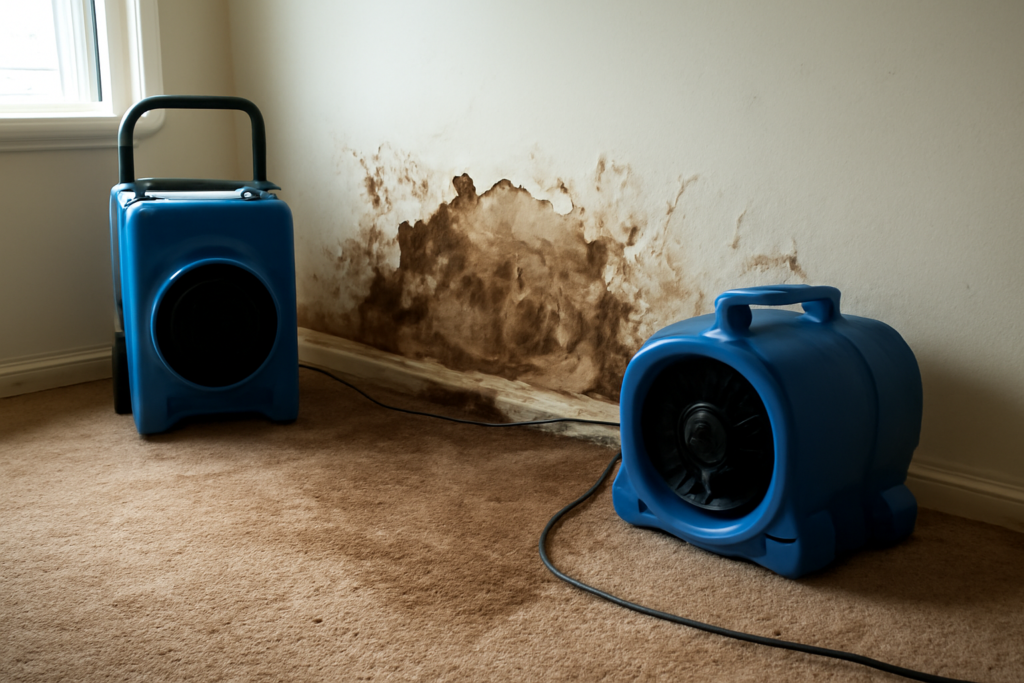
When Your HVAC System Leaks in Point Loma, CA
Did you know that a slow, undetected HVAC leak can cause significant structural damage over time? Studies show that many homeowners are unaware that their air conditioning unit or furnace can be a major source of water damage, sometimes contributing to over $10,000 in repairs before it’s even noticed. This kind of hidden damage can affect drywall, insulation, and even the foundation of your home right here in Point Loma, CA.
Our team has helped over 165 local families deal with these unexpected issues. Homeowners around here trust us because we understand the unique challenges of our coastal climate and how it can impact HVAC systems. We bring a practical approach to resolving HVAC water damage, focusing on getting your home back to normal quickly and efficiently. You’ll find our team is direct and honest about the work needed.
- We specialize in identifying and repairing the exact source of your HVAC water issue, preventing future leaks and damage to your property.
- Our technicians use advanced drying equipment to ensure your ductwork and surrounding areas are completely moisture-free, stopping mold before it starts.
- We work directly with your insurance company to document the damage accurately, helping to streamline your claim process and manage costs.
How We Handle HVAC Water Damage Restoration
When water escapes your HVAC system, it’s not just about mopping up a puddle. It’s about stopping the spread, drying the affected materials thoroughly, and preventing secondary problems like mold growth. Our process is designed to be thorough and effective. We know that cutting corners here leads to bigger headaches and higher costs down the road, which is why we follow a strict protocol. You can count on our team to manage the situation with professional expertise.
Initial Assessment and Inspection
Our first step is a detailed inspection of your HVAC unit and the surrounding areas. We use moisture meters and thermal imaging to pinpoint exactly where the water has penetrated. This assessment is crucial for creating an effective drying plan and understanding the full scope of damage. It typically takes 1-2 hours.
Water Extraction and Containment
If there’s standing water, we’ll use powerful extraction equipment to remove it quickly. We also set up containment barriers to prevent moisture from spreading to unaffected parts of your home. This phase is vital for minimizing further damage. This can take anywhere from a few hours to a full day, depending on the amount of water.
Drying and Dehumidification
This is where we bring in specialized drying equipment, including air movers and industrial dehumidifiers. These machines work to pull moisture out of the air and materials like wood, drywall, and insulation. Proper drying is essential to prevent mold and structural issues. We monitor humidity levels closely, and this process can take 2 to 5 days.
Mold Prevention and Remediation
Once everything is dry, we take steps to prevent mold growth. This might involve applying antimicrobial treatments to affected surfaces. If mold has already started, we’ll address it according to industry standards. Your health and safety are our top priorities. This step is usually completed within a day.
Reconstruction and Restoration
After drying and cleaning, we’ll repair any damaged materials, such as replacing insulation or drywall. Our goal is to return your home to its pre-loss condition. We ensure all work is done to a high standard. This final phase can take several days to a few weeks, depending on the extent of the damage.
Don’t let a leaking HVAC system cause lasting problems. Get in touch with our team right away to schedule an assessment and protect your home.

Warning Signs You Need HVAC Water Damage Restoration
Catching water damage early from your HVAC system can save you a lot of money and stress. Ignoring the signs can lead to bigger issues, like mold growth and structural compromise. It’s important to be aware of what to look for in your home. We’ve seen many situations where a small leak became a major problem.
Musty Odors That Won’t Go Away
A persistent musty or mildew smell, especially near vents or the air handler, is a strong indicator of hidden moisture. This often means water has been sitting somewhere it shouldn’t be, possibly for a while. It’s a sign you need to investigate potential water sources.
Visible Water Stains or Puddles
Any water stains on ceilings, walls, or floors near your HVAC unit or ductwork are a clear sign of a leak. Puddles of water under the indoor unit or around the outdoor condenser unit also demand immediate attention. These visible signs point to an active water problem.
Decreased Air Quality or Strange Smells from Vents
If the air coming from your vents smells damp, moldy, or just “off,” it could be due to moisture inside the ductwork or the HVAC unit itself. This can impact your indoor air quality significantly. You might also notice increased dust.
Mold or Mildew Growth
Seeing any visible signs of mold or mildew, especially around vents, in the attic near ductwork, or on the exterior of your HVAC unit, is a serious red flag. Mold thrives in damp environments created by water leaks. This requires professional intervention.
Unusual Noises from the HVAC System
While not always directly water-related, gurgling or dripping sounds coming from your HVAC system can indicate a blockage or leak in the condensate drain line. Ignoring these sounds can lead to water backing up. It’s a cue to check for water issues.
Increased Humidity Levels Inside
If your home feels unusually humid, especially when the AC is running, it could be a sign that the system isn’t dehumidifying properly due to a leak or clog. High humidity creates an environment ripe for mold and can make your home feel uncomfortably damp.
HVAC Water Damage Restoration vs. DIY: When To Call a Professional
| Situation | DIY? | Call a Pro? | Why |
|---|---|---|---|
| Small puddle under indoor unit | Yes, if it’s a simple condensate drain clog | Yes, if the puddle is large or persistent | A pro can ensure the entire system is dry and prevent mold growth. |
| Musty smell from vents | Maybe, if it’s very faint and you can locate and clear a simple drain clog. | Yes, if the smell is strong or persists after clearing a drain. | Hidden moisture in ductwork or insulation needs specialized drying. |
| Visible water stains on ceiling | No | Yes, absolutely | This indicates water has penetrated building materials, requiring professional drying and potential repair. |
| Ice buildup on AC unit | Maybe, if it’s a minor frost you can safely melt. | Yes, if there’s significant ice or recurring issues. | Ice can signal refrigerant leaks or airflow problems that might involve water damage. |
| Outdoor unit leaking water | Maybe, if it’s just normal condensation during hot weather. | Yes, if it’s excessive or looks like a refrigerant leak. | Pros can identify and fix refrigerant leaks, which are dangerous and can cause water damage. |
| Water damage affecting drywall/insulation | No | Yes, absolutely | These materials hold moisture and require professional drying to prevent mold and structural issues. |
For anything beyond a very minor, easily accessible condensate line clog, professional help is usually the best route. A pro ensures that all hidden moisture is removed and that your system is properly repaired. This prevents costly secondary damage and health concerns.
HVAC Water Damage Restoration Cost In Point Loma, CA
The cost of HVAC water damage restoration in Point Loma, CA, can vary quite a bit. Factors like the size of the affected area, the extent of the water intrusion, and the type of materials damaged all play a role. These are just estimates to give you a general idea. Our team always provides a detailed, upfront estimate after assessing your specific situation.
| Service | Typical Price Range | What Affects Cost |
|---|---|---|
| HVAC Water Damage Assessment | $300 – $800 | Complexity of the leak and need for specialized equipment like thermal imaging. |
| Water Extraction | $500 – $2,000 | Volume of water and accessibility of the affected area. |
| Drying & Dehumidification | $1,000 – $4,000 | Size of the space, duration of drying needed, and number of machines required. |
| Mold Prevention Treatment | $400 – $1,500 | Surface area to be treated and type of antimicrobial solution used. |
| Ductwork Cleaning & Drying | $700 – $3,000 | Length and complexity of duct runs, and the severity of contamination. |
| Minor Repairs (e.g., insulation, drywall patch) | $500 – $2,500 | Amount of material needing replacement and labor involved. |
Remember, these are general ranges. A free, on-site estimate from our team will give you the most accurate pricing for your specific needs. We’re committed to providing clear and fair pricing.
Service Areas Near Point Loma, CA
Coronado, Mission Hills, Old Town, Shelter Island, Ocean Beach, Bay Park, Linda Vista, National City, La Jolla, University City, Hillcrest, Downtown San Diego, Spring Valley, El Cajon, Santee, Poway, Carlsbad, Encinitas, Solana Beach, Del Mar.
Common Questions About HVAC Water Damage Restoration
My AC unit is leaking water, what should I do first?
The very first thing you should do is turn off your HVAC system to prevent further water damage and potential electrical hazards. Then, try to identify the source of the leak. If it’s a simple clogged condensate drain line, you might be able to clear it yourself. However, if the leak is significant or you can’t find the cause, it’s best to call our team for an immediate assessment. We can help you document the damage for insurance purposes.
How long does HVAC water damage restoration take?
The timeline for HVAC water damage restoration can vary significantly, typically ranging from 3 to 10 days. The initial assessment and water extraction might take a day or two. The drying and dehumidification process is the most time-consuming, often taking 2 to 5 days, depending on the materials affected and humidity levels. Any necessary repairs will add more time. We focus on efficient drying to get your home back to normal as quickly as possible.
Will my homeowner’s insurance cover HVAC water damage?
Generally, homeowner’s insurance policies cover sudden and accidental water damage, such as a burst pipe or a malfunctioning AC unit causing a leak. However, they usually do not cover damage from lack of maintenance or gradual leaks. We work closely with your insurance company to help document the extent of the damage and provide the necessary information to support your claim. We ensure all necessary documentation is captured.
Is there a risk of mold after an HVAC water leak?
Yes, there is a significant risk of mold growth if water from an HVAC leak isn’t properly addressed. Mold spores are present everywhere, and they only need moisture and a food source (like drywall or wood) to grow. Our process includes thorough drying and often antimicrobial treatments to prevent mold from developing. We take preventative measures very seriously.
How can I prevent my HVAC system from causing water damage in the future?
Regular maintenance is key to preventing HVAC water damage. Ensure your condensate drain line is checked and cleared at least annually, and have your system inspected by a qualified technician. Keep the area around your indoor unit clear of debris. Addressing small issues promptly can prevent them from becoming costly water problems. We can also advise on system upkeep.
Check Our Other Relevant Services

Joseph Heyman is a licensed Damage Restoration Expert with over two decades of experience in environmental remediation and property recovery. As a seasoned specialist, Joseph has built a reputation for technical excellence and integrity, ensuring homes and businesses are restored safely and efficiently after a disaster.
𝗖𝗲𝗿𝘁𝗶𝗳𝗶𝗰𝗮𝘁𝗶𝗼𝗻𝘀: Joseph holds advanced IICRC certifications in Water Damage Restoration (WRT), Applied Microbial Remediation (Mold), Applied Structural Drying (ASD), Odor Control, and Fire and Smoke Restoration.
𝗙𝗮𝘃𝗼𝗿𝗶𝘁𝗲 𝗣𝗮𝘀𝘁𝗶𝗺𝗲: An outdoor enthusiast at heart, Joseph spends his weekends mountain biking and coaching local youth soccer leagues.
𝗕𝗲𝘀𝘁 𝗣𝗮𝗿𝘁 𝗼𝗳 𝘁𝗵𝗲 𝗝𝗼𝗯: Joseph finds the greatest reward in restoring peace of mind. He takes pride in guiding families through the complexities of property loss and delivering a safe, healthy environment once the work is complete.


