
Trusted by 155+ Homeowners
HVAC Water Damage Restoration in Otay Ranch, CA
- Over 157 5-Star Reviews
- Free Estimates and Quotes
- 100% Satisfaction Guaranteed
- Child, Family & Pet Safe Steps
- 24-Hour Emergency Service
- Fully Licensed & Insured
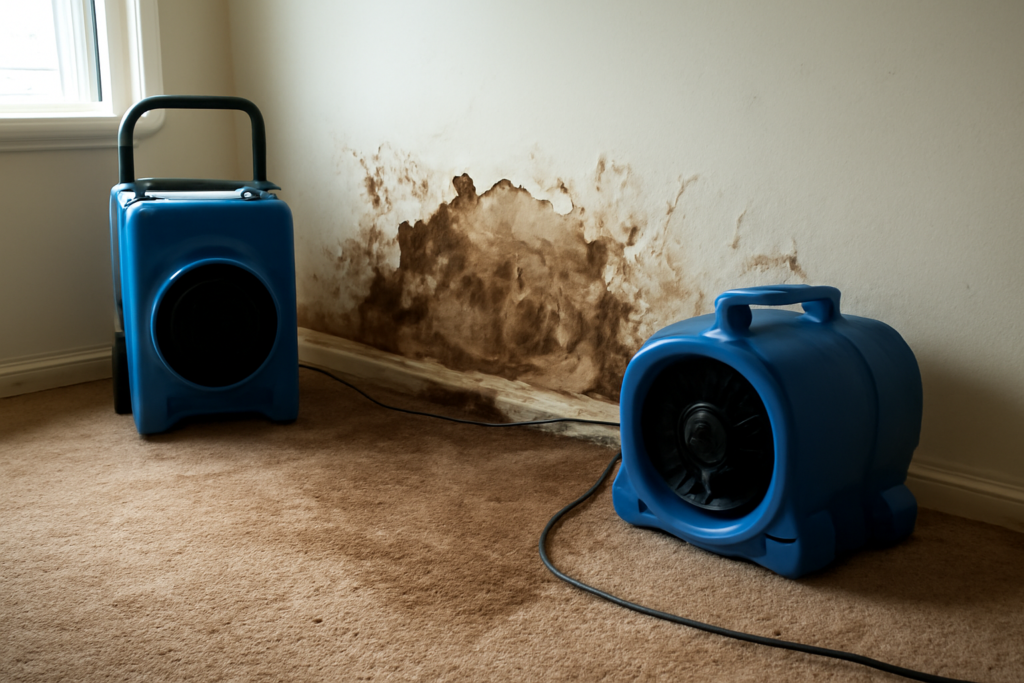
When Your Air Conditioner Becomes a Water Problem in Otay Ranch, CA
You hear it first. A faint drip, then a steady trickle. You look up, and water is seeping from your HVAC unit or down the wall near it. Suddenly, your home’s comfort system is causing a real mess. This isn’t just a little leak; it’s significant water intrusion that needs immediate attention. You’re dealing with HVAC water damage, and it’s a problem that can spread fast if not handled correctly. It’s crucial to act quickly to prevent further harm to your property.
Homeowners around here trust our team because we understand the unique challenges of HVAC water damage. We’ve helped hundreds of neighbors restore their homes after unexpected water events. Our 165+ five-star reviews reflect our commitment to fast, effective drying and meticulous restoration. When your HVAC system unexpectedly becomes a source of water, you need a team that knows exactly how to tackle it.
- We pinpoint the exact source of the leak within your HVAC system, preventing the problem from recurring and ensuring a complete repair.
- Our specialized drying equipment targets the hidden moisture within your ductwork and building materials, stopping mold growth before it starts.
- We thoroughly inspect and clean your HVAC components to ensure they’re not compromised, safeguarding your indoor air quality.
How We Tackle HVAC Water Damage
Dealing with water from your HVAC system requires a precise, scientific approach. It’s not like a simple pipe burst; the water can be trapped in unexpected places, like inside ductwork or within wall cavities. Our process focuses on thorough moisture detection and controlled drying to ensure your home is fully restored. Cutting corners here can lead to lingering moisture, mold, and structural issues down the line. We’re here to make sure that doesn’t happen to your property.
Step 1: Immediate Water Extraction
Our first priority is to remove all standing water. We use powerful, truck-mounted extraction units to pull out as much water as possible. This initial step is critical for minimizing damage and starting the drying process effectively. We work fast to get this done.
Step 2: Advanced Moisture Detection
Once the bulk of the water is gone, we use specialized tools like infrared cameras and moisture meters to find every bit of hidden dampness. This allows us to map out exactly where the water has penetrated, even in areas you can’t see. Accurate moisture readings guide our entire drying strategy.
Step 3: Controlled Drying and Dehumidification
We set up industrial-grade air movers and dehumidifiers to create an optimal drying environment. These machines work 24/7 to pull moisture from the air and building materials. This process is carefully monitored to ensure we reach the correct drying goals for your home.
Step 4: Containment and Air Quality Management
To prevent the spread of potential contaminants and ensure healthy air, we often set up containment barriers. We also use air scrubbers with HEPA filters to clean the air as we dry. This is vital for protecting your family’s health during and after the restoration.
Step 5: Restoration and Rebuilding
After everything is completely dry and safe, we handle any necessary repairs. This might include replacing damaged drywall, insulation, or flooring. Our goal is to return your home to its pre-loss condition, ensuring it’s safe and comfortable again.
Don’t let HVAC water damage linger. Call us now to get a team on-site quickly. We’re ready to start the restoration process for you today.

Warning Signs You Need HVAC Water Damage Restoration
Your HVAC system is designed to control temperature and humidity, not create water problems. Catching these signs early can save you a lot of trouble and expense. Ignoring them can lead to serious structural damage and health risks. We’ve seen it all around your neighborhood, and these are the indicators you absolutely shouldn’t overlook.
Musty Odors That Won’t Go Away
A persistent, damp, or musty smell, especially when the AC or heat is running, is a huge red flag. This odor often signals trapped moisture and the potential beginning of mold growth. It’s your home’s way of telling you something is wrong.
Visible Water Stains or Puddles
Any water stains on ceilings, walls, or floors near your HVAC unit are obvious signs of a leak. You might also find puddles of water directly under or around the unit. This indicates an active or recent leak that needs immediate water removal.
Increased Humidity Levels Indoors
If your home feels unusually damp or clammy, even with the AC running, your system might be struggling. A compromised HVAC system can fail to properly dehumidify, leading to a noticeable increase in humidity throughout your living space.
Mold or Mildew Growth
Seeing fuzzy patches of mold or mildew on or near your HVAC unit, vents, or surrounding walls is a serious concern. This growth thrives in damp environments and means moisture has been present for a while, requiring professional mold remediation alongside water drying.
Reduced Airflow or Strange Noises
Sometimes, water can affect the internal components of your HVAC system, leading to reduced airflow from vents or unusual gurgling or dripping sounds. These are often indicators of blockages or damage caused by water. It’s a sign of system malfunction.
Higher Energy Bills
An HVAC system working harder to compensate for water damage or struggling to dehumidify efficiently can lead to a sudden spike in your energy costs. This is an indirect but significant indicator that your system isn’t operating correctly due to water issues.
HVAC Water Damage Restoration vs. DIY: When To Call a Professional
| Situation | DIY? | Call a Pro? | Why |
|---|---|---|---|
| Small, visible puddle under the AC unit on a hot day, not near walls or ceilings. | Yes, if it’s clearly just condensation and the unit is running normally. | No, unless it persists or is accompanied by other signs. | This might just be normal condensation drain overflow. |
| Water stains appearing on the ceiling around HVAC vents. | No. | Yes. | Ceiling stains indicate water has traveled through insulation or drywall, requiring professional assessment. |
| Musty odors when the system runs, with no visible water. | No, not reliably. | Yes. | Hidden moisture and potential mold growth within the system or walls require specialized detection and drying. |
| Water leaking from the main HVAC unit into a finished living space. | No. | Yes. | This is significant water intrusion that can damage flooring, walls, and subfloors, needing professional drying. |
| Suspected mold growth on or near HVAC components. | No. | Yes. | Mold remediation requires specific safety protocols and equipment to prevent airborne spores. |
| Water in the ductwork. | Absolutely not. | Yes, immediately. | Ductwork is complex and can harbor moisture and mold, requiring specialized cleaning and drying techniques. |
For any situation involving water stains, persistent odors, or visible leaks that aren’t simple condensation, calling a professional is always the safest bet. We have the specialized equipment and training to handle these complex issues effectively.
HVAC Water Damage Restoration Cost In Otay Ranch, CA
The cost of HVAC water damage restoration in Otay Ranch, CA, can vary significantly. It depends on the extent of the water damage, the size of the affected area, the accessibility of the damaged components, and the specific drying and restoration protocols needed. These are general estimates, and an on-site assessment is always required for an accurate quote.
| Service | Typical Price Range | What Affects Cost |
|---|---|---|
| Water Extraction & Initial Drying | $500 – $2,500 | Amount of water, size of affected area, and complexity of access. |
| Advanced Moisture Detection | $200 – $500 | Number of areas to scan and the need for specialized equipment. |
| Structural Drying (Air Movers & Dehumidifiers) | $750 – $3,000+ | Duration of drying needed, size of the space, and number of units required. |
| Containment & Air Quality Control | $300 – $1,000 | Size of the contained area and the use of HEPA air scrubbers. |
| HVAC Component Cleaning & Inspection | $400 – $1,200 | Number of components affected and the level of cleaning or repair needed. |
| Minor Repairs (e.g., drywall patch, insulation replacement) | $500 – $2,000+ | Scope and complexity of the repairs required to return your home to normal. |
Remember, these figures are estimates. We offer free, no-obligation estimates after a thorough on-site inspection. Getting a professional assessment today is the best way to understand your specific costs and get your home back to normal.
Service Areas Near Otay Ranch, CA
Chula Vista, Eastlake, Bonita, National City, San Diego, La Jolla, Coronado, Imperial Beach, Spring Valley, Lemon Grove, La Mesa, El Cajon, Santee, Poway, Rancho Bernardo, Mira Mesa, Sorrento Valley, Del Mar, Solana Beach, Encinitas
Common Questions About HVAC Water Damage Restoration
My AC is leaking water, is this covered by my homeowner’s insurance?
Often, standard homeowner’s insurance policies cover damage from sudden and accidental water releases, but not gradual leaks or maintenance issues. It’s best to review your policy or contact your provider. We can provide detailed documentation to assist with your claim, ensuring you have the information needed for a smooth process.
How quickly do I need to call for HVAC water damage restoration?
You need to call as soon as possible. The longer water sits, the more damage it causes and the higher the risk of mold growth. Our team is available 24/7 and aims to be on-site within hours to start the critical drying process and prevent further issues.
Will this cause mold in my home?
Yes, if not addressed promptly and correctly. Trapped moisture from HVAC leaks is a prime breeding ground for mold, which can appear within 24-48 hours. Our restoration process includes thorough drying and often air scrubbing to eliminate existing mold and prevent future growth.
What equipment do you use to dry out my HVAC system and home?
We use a range of specialized equipment including powerful water extractors, industrial-grade air movers to circulate air, and LGR (Low-Grain Refrigerant) dehumidifiers to remove moisture from the air and materials. We also utilize thermal imaging cameras and moisture meters for precise detection of hidden water. These tools are essential for effective restoration.
How long does HVAC water damage restoration typically take?
The drying process itself usually takes 3-5 days, but the full restoration, including any necessary repairs, can take longer depending on the severity of the damage. We work efficiently to get your home back to normal as quickly as possible while ensuring a complete and safe restoration. We’ll keep you informed every step of the way.
Check Our Other Relevant Services

Joseph Heyman is a licensed Damage Restoration Expert with over two decades of experience in environmental remediation and property recovery. As a seasoned specialist, Joseph has built a reputation for technical excellence and integrity, ensuring homes and businesses are restored safely and efficiently after a disaster.
𝗖𝗲𝗿𝘁𝗶𝗳𝗶𝗰𝗮𝘁𝗶𝗼𝗻𝘀: Joseph holds advanced IICRC certifications in Water Damage Restoration (WRT), Applied Microbial Remediation (Mold), Applied Structural Drying (ASD), Odor Control, and Fire and Smoke Restoration.
𝗙𝗮𝘃𝗼𝗿𝗶𝘁𝗲 𝗣𝗮𝘀𝘁𝗶𝗺𝗲: An outdoor enthusiast at heart, Joseph spends his weekends mountain biking and coaching local youth soccer leagues.
𝗕𝗲𝘀𝘁 𝗣𝗮𝗿𝘁 𝗼𝗳 𝘁𝗵𝗲 𝗝𝗼𝗯: Joseph finds the greatest reward in restoring peace of mind. He takes pride in guiding families through the complexities of property loss and delivering a safe, healthy environment once the work is complete.


