
Trusted by 155+ Homeowners
HVAC Water Damage Restoration in Oceanside, CA
- Over 157 5-Star Reviews
- Free Estimates and Quotes
- 100% Satisfaction Guaranteed
- Child, Family & Pet Safe Steps
- 24-Hour Emergency Service
- Fully Licensed & Insured
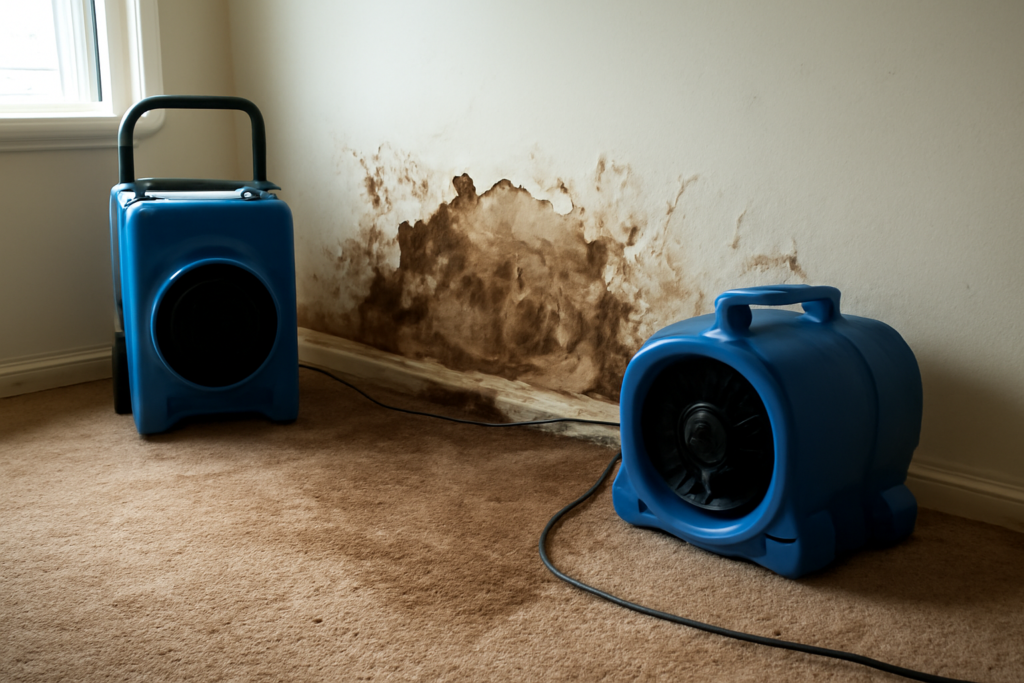
When Your AC Goes Rogue: Handling HVAC Water Damage in Oceanside, CA
It’s a common, yet often overlooked, problem: your home’s HVAC system, designed to keep you comfortable, can sometimes become the source of significant water damage. You might notice unexpected puddles near your air handler or see water stains appearing where they shouldn’t. Ignoring these signs can lead to more extensive issues, affecting your home’s structure and air quality. Addressing HVAC water leaks quickly is absolutely essential to prevent mold growth and further damage.
Locally, homeowners trust our team because we understand the unique challenges that come with water damage originating from HVAC systems. We’ve earned the confidence of hundreds of families, reflected in over 165 five-star reviews, for our rapid response and thorough restoration. When your comfort system fails and causes a mess, you want a team that knows exactly how to fix it, minimizing disruption to your life.
- We specialize in quickly identifying the source of HVAC water leaks, whether it’s a clogged drain line, a failing condensate pump, or a cracked evaporator coil, preventing further water intrusion.
- Our advanced drying techniques target the specific areas affected by HVAC water, ensuring that moisture hidden within insulation, ductwork, and structural components is fully removed.
- We go beyond just drying; we address the potential for mold and mildew growth that can arise from stagnant water in your cooling and heating system, protecting your family’s health.
How We Tackle HVAC Water Damage: A Step-by-Step Approach
When water starts leaking from your HVAC unit, time is your biggest enemy. A proper, rapid response process is crucial to mitigate damage effectively and prevent secondary issues like mold. Our team follows a systematic approach, utilizing specialized equipment to ensure your system is not only dried but also restored to its optimal condition. Rushing this process or using improper methods can lead to long-term structural problems and lingering moisture.
1. Emergency Assessment and Water Source Identification
Our first priority is to get to your property quickly to assess the situation. We’ll locate the exact source of the leak, whether it’s from the primary drain pan, a secondary overflow line, or a condensation issue. This initial inspection helps us understand the scope of the water damage and plan our restoration strategy.
2. Water Extraction
Once the source is stopped, we immediately begin removing standing water. We use powerful truck-mounted or portable extraction units to remove bulk water from carpets, flooring, and subflooring. This step is critical for preventing water from spreading further into your home’s structure.
3. Advanced Drying and Dehumidification
After the standing water is gone, the real work of drying begins. We deploy industrial-grade air movers and dehumidifiers, such as LGR (Low-Grain Refrigerant) dehumidifiers, to extract hidden moisture from the air and materials. This process can take several days, depending on the extent of the saturation and building materials involved.
4. Structural Drying and Moisture Monitoring
We focus on drying out all affected building materials, including drywall, insulation, and wood framing, that may have absorbed moisture from the HVAC leak. Our technicians use specialized meters to monitor moisture content in materials, ensuring they return to their normal humidity levels. This prevents long-term issues like warping or rot.
5. Cleaning and Sanitization
Water from HVAC systems can sometimes carry contaminants. We thoroughly clean and sanitize all affected areas and components. This step is vital for preventing mold and bacteria growth and ensuring your indoor air quality is safe. We use EPA-approved cleaning agents.
Don’t wait for minor leaks to turn into major headaches. Contact us immediately if you suspect your HVAC system is causing water damage in your home. We’re ready to respond 24/7.

Warning Signs You Need HVAC Water Damage Restoration
Catching water damage from your HVAC system early can save you a significant amount of money and prevent more serious problems down the line. Your heating and cooling system is designed to be a closed loop, so any water escaping is a red flag. Recognizing these subtle signs can prompt you to seek professional help before major damage occurs.
Musty Odors That Won’t Go Away
A persistent, musty smell, especially when your HVAC system is running, is a strong indicator of moisture buildup. This could mean water is pooling in the ductwork or around the air handler, creating an ideal environment for mold and mildew. Addressing the odor source is key to restoring healthy air.
Visible Water Stains or Puddles
Anytime you see unexplained puddles of water around your indoor unit or water stains appearing on ceilings or walls near vents, it’s a clear sign of a leak. Don’t assume it will just dry up; investigate the source of the moisture promptly.
Decreased Cooling or Heating Efficiency
If your HVAC system isn’t performing as it should, and you notice longer run times or less effective temperature control, it could be related to water issues. A clogged drain line, for example, can cause the system to work harder, leading to reduced overall performance.
Ice Buildup on AC Coils
Frozen evaporator coils in your air conditioner are often a symptom of restricted airflow, which can be caused by a clogged condensate drain line. This trapped moisture can then lead to leaks. Addressing the ice buildup and its cause is essential.
High Humidity Levels Indoors
An HVAC system also helps regulate humidity. If you notice your home feels unusually damp or sticky, even when the AC is running, your system might be struggling with a water-related issue, potentially leading to mold development.
Strange Noises from the Unit
Gurgling or dripping sounds coming from your HVAC unit can indicate water is backing up in the drain lines or overflowing. These sounds are your system’s way of telling you there’s a problem that needs immediate attention.
HVAC Water Damage Restoration vs. DIY: When To Call a Professional
| Situation | DIY? | Call a Pro? | Why |
|---|---|---|---|
| Wiping up a small puddle from a condensation line leak. | Yes | No | This is usually a minor issue that can be handled with towels. |
| Drying out a small damp spot on carpet near the air handler. | Yes | No | If it’s a tiny area and dries quickly, you might be okay. |
| Dealing with extensive water damage affecting drywall, subflooring, or insulation. | No | Yes | DIY drying is insufficient, risking mold and structural damage. |
| Identifying the exact source of a recurring HVAC water leak. | No | Yes | Locating hidden leaks and understanding system mechanics requires expertise. |
| Drying out ductwork or the interior of the air handler unit. | No | Yes | Improper drying can damage sensitive components and lead to mold growth. |
| Removing standing water from a flooded mechanical room housing the HVAC unit. | No | Yes | Large volumes of water require professional extraction equipment and safety protocols. |
While minor spills can sometimes be managed with a few towels, any significant water damage originating from your HVAC system requires professional intervention. Trying to DIY extensive water removal and drying can lead to hidden mold growth and long-term structural compromise, making the problem far worse and more expensive to fix later.
HVAC Water Damage Restoration Cost in Oceanside, CA
The cost of HVAC water damage restoration in Oceanside, CA, can vary widely depending on factors like the extent of the water damage, the size of the affected area, and the specific components of your HVAC system involved. These figures are estimates and can change based on the complexity of the job.
| Service | Typical Price Range | What Affects Cost |
|---|---|---|
| Emergency Water Extraction (HVAC Leak) | $500 – $2,500 | Volume of water, accessibility of the area, and time of day. |
| Structural Drying and Dehumidification | $1,000 – $4,000 | Size of the affected space, type of materials saturated, and duration of drying. |
| HVAC Ductwork Inspection and Cleaning | $750 – $3,000 | Length and complexity of ductwork, type of contamination found. |
| Mold Assessment and Remediation | $1,000 – $5,000+ | Severity of mold growth, square footage affected, and containment needs. |
| HVAC Unit Component Inspection/Repair (post-water) | $300 – $1,500 | Specific part needing repair or replacement, complexity of the repair. |
| Odor Removal and Air Quality Treatment | $400 – $1,200 | Size of the affected area and the intensity of the odor. |
For an accurate understanding of your specific situation and costs, a detailed on-site assessment is necessary. We’re happy to provide you with a free estimate for your HVAC water damage restoration needs.
Service Areas Near Oceanside, CA
Carlsbad, Vista, San Marcos, Encinitas, La Costa, La Jolla, Del Mar, Solana Beach, Rancho Santa Fe, Fallbrook, Bonsall, Fallbrook, Camp Pendleton, Oceanside, Poway, Escondido, Rancho Bernardo, Mira Mesa, Scripps Ranch, Clairemont.
Common Questions About HVAC Water Damage Restoration
My AC unit is leaking water, is it safe to run it?
It’s generally not advisable to run your HVAC system if it’s actively leaking water. Continuing to operate it could worsen the leak, spread water further into your home, and potentially cause electrical hazards or damage to the unit itself. Our team can quickly assess the situation and determine when it’s safe to resume operation after necessary repairs and drying are complete.
How long does HVAC water damage restoration typically take?
The timeline for HVAC water damage restoration can vary significantly, but the initial water extraction and setup of drying equipment usually happens within 24 to 48 hours of your call. The actual drying process often takes anywhere from 3 to 10 days, depending on how saturated the materials are and the efficiency of our drying equipment. We monitor progress closely to ensure complete moisture removal.
Will my homeowner’s insurance cover HVAC water damage?
In many cases, homeowner’s insurance policies cover water damage caused by sudden and accidental leaks from HVAC systems, especially if it’s not due to neglect. However, coverage can depend on your specific policy details and the cause of the leak. We can help you document the damage for your insurance claim and work with your adjuster to ensure the restoration process is handled smoothly.
What kind of equipment do you use to dry out HVAC water damage?
We utilize specialized equipment designed for rapid and effective water removal and drying. This includes powerful truck-mounted water extractors, LGR (Low-Grain Refrigerant) dehumidifiers that pull moisture directly from the air, and high-velocity air movers to circulate air and speed up evaporation. We also use moisture meters to ensure all affected materials are dried to safe levels.
Can HVAC water damage cause mold in my home?
Yes, absolutely. Any time water sits stagnant, especially within the dark, enclosed spaces of ductwork or near your air handler, it creates a perfect breeding ground for mold and mildew. If not addressed quickly and thoroughly, mold can spread throughout your home, impacting your indoor air quality and health. Our restoration process includes anti-microbial treatments to prevent mold growth.
Check Our Other Relevant Services
Serving Oceanside, CA And Nearby Areas


