
Trusted by 155+ Homeowners
HVAC Water Damage Restoration in La Jolla, CA
- Over 157 5-Star Reviews
- Free Estimates and Quotes
- 100% Satisfaction Guaranteed
- Child, Family & Pet Safe Steps
- 24-Hour Emergency Service
- Fully Licensed & Insured
When Your AC Causes a Flood: HVAC Water Damage Restoration in La Jolla, CA
Here in La Jolla, CA, we know how quickly things can change. One minute it’s a beautiful sunny day, the next, that humid ocean air can make your air conditioning system work overtime. When your HVAC unit starts leaking or has a condensation issue, it can turn a small problem into a significant water mess inside your home. You might not even realize it’s happening until you spot a growing water stain or feel dampness where it shouldn’t be. Dealing with water damage from your HVAC system requires a swift and expert response to prevent further issues.
Homeowners around here trust us because we understand these local challenges. We’ve helped hundreds of neighbors tackle unexpected water problems, and our 165+ five-star reviews speak to our commitment. When it comes to HVAC leaks, our team brings a focused approach to restoration, ensuring your system and your home are properly cared for. We don’t just clean up; we make sure the source is addressed and your property is protected.
- We pinpoint and fix the exact source of the HVAC leak, preventing future water events and protecting your system’s integrity.
- Our specialized drying techniques remove hidden moisture from ductwork and insulation, stopping mold growth before it starts.
- We document the damage thoroughly, which is crucial for insurance claims related to your HVAC system’s water issues.
How We Tackle HVAC Water Damage
When water starts coming from your air conditioning or heating system, it’s not like a simple pipe burst. It can seep into ductwork, insulation, and drywall in ways that are hard to see. That’s why our approach to HVAC water damage restoration is so important. We follow a proven process designed to extract water, dry everything out completely, and restore your home safely. Cutting corners here can lead to persistent mold problems and structural damage down the line, so we make sure every step is done right.
Initial Assessment and Water Extraction
First, we’ll assess the extent of the water damage from your HVAC unit. We use powerful pumps and extractors to remove standing water as quickly as possible. This initial step is critical for minimizing saturation and preventing further damage to your floors and walls. We’ll also identify the exact source of the leak within your HVAC system.
Moisture Detection and Mapping
After the bulk of the water is gone, we use advanced moisture meters and thermal imaging cameras to find hidden dampness. Water can travel through materials, so it’s vital to map out every affected area, even in places you can’t see, like inside walls or under flooring. This helps us create a targeted drying plan.
Advanced Drying and Dehumidification
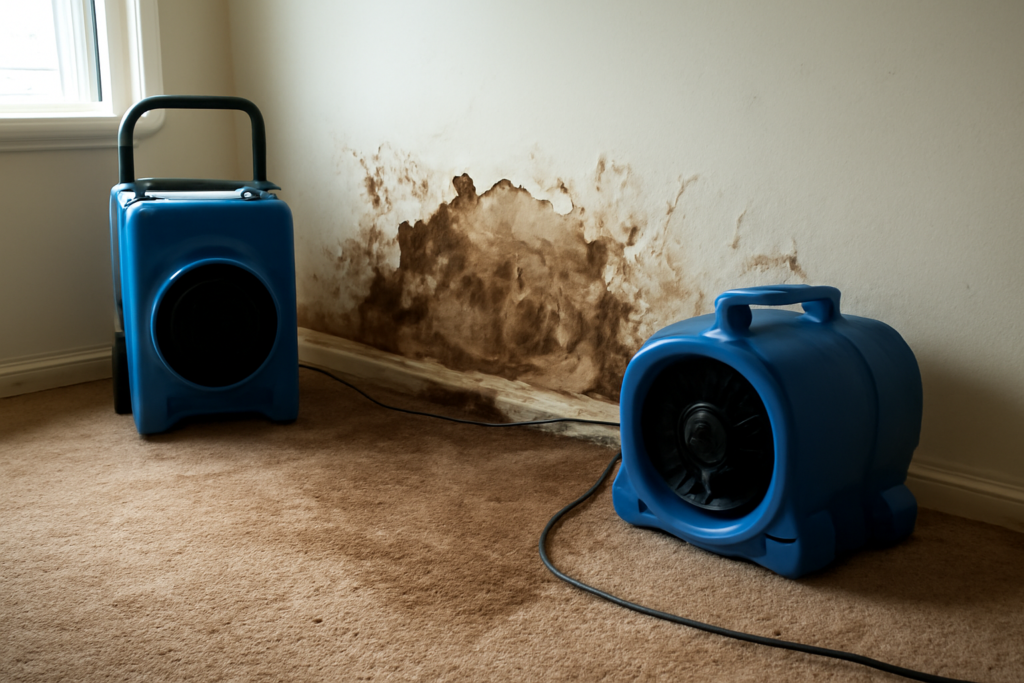
This is where we bring in specialized equipment like high-velocity air movers and industrial dehumidifiers. These machines work together to speed up the evaporation process, drying out your structure and air effectively. Our goal is to bring your property back to its normal moisture levels quickly, preventing long-term structural issues.
Sanitization and Odor Control
Water from HVAC systems, especially if it’s been sitting, can harbor bacteria and develop unpleasant odors. We use EPA-approved antimicrobial treatments to clean affected surfaces and neutralize any musty smells. This ensures your home is not only dry but also healthy and fresh-smelling.
Restoration and Rebuilding
Once everything is dry and sanitized, we’ll repair any damaged materials like drywall, insulation, or flooring. Our team works to restore your home to its pre-loss condition, making sure it’s safe and comfortable again. We focus on quality craftsmanship throughout the rebuilding process.
If you’ve noticed signs of water from your HVAC system, don’t wait for it to worsen. Contact us immediately for expert assistance. We’ll help you get your home back to normal quickly.

Warning Signs You Need HVAC Water Damage Restoration
Catching water issues from your HVAC system early can save you a lot of headaches and money. Sometimes, the signs are subtle, but paying attention can make a big difference in preventing widespread damage. Ignoring these indicators can lead to more significant problems like mold growth and structural compromise. We want you to be aware of what to look for around your property.
Musty Odors That Won’t Go Away
A persistent, damp, or musty smell, especially near your vents or air handler, is a strong indicator of hidden moisture. This could mean water is trapped inside your ductwork or insulation, creating a breeding ground for mold. Address unusual smells promptly.
Visible Water Stains or Dampness
Any new water stains on ceilings, walls, or floors, particularly around your HVAC unit or vents, are a clear sign of a leak. Also, feel for dampness in areas where water shouldn’t be. Inspect for damp spots regularly.
Reduced Airflow or Strange Noises
If you notice that your vents are blowing less air than usual, or you hear gurgling or dripping sounds from your unit, it could signal a blockage or leak within the system. This might be a sign of water backing up. Listen for system anomalies.
Mold or Mildew Growth
The presence of visible mold or mildew, often appearing as black or green fuzzy spots, especially around your HVAC components or vents, is a serious warning. This indicates a long-term moisture problem. Act fast if you see mold.
Increased Humidity Indoors
If your home feels unusually humid, sticky, or damp, even when the AC is running, your HVAC system might be struggling with condensation or a leak. This can affect your comfort and indoor air quality. Monitor indoor humidity levels.
Water Pooling Around the Unit
If you see any standing water or puddles around your indoor or outdoor HVAC unit, it’s a definite sign of a leak that needs immediate attention. Don’t let it sit. Clear any pooling water.
HVAC Water Damage Restoration vs. DIY: When To Call a Professional
| Situation | DIY? | Call a Pro? | Why |
|---|---|---|---|
| Small, isolated damp spot on a hard floor near the unit | Yes, if minor and you can dry it thoroughly. | Yes, if the spot is growing or you can’t dry it completely. | DIY is fine for surface drying, but professionals ensure no hidden moisture remains. |
| Musty odor coming from vents | No. | Yes. | Odors indicate hidden moisture and potential mold growth that DIY methods can’t reach or treat effectively. |
| Visible water stains on drywall or ceiling | No. | Yes. | These stains mean water has saturated materials, requiring professional drying and potential repair to prevent mold. |
| Pooling water around the indoor unit | No. | Yes. | Significant pooling suggests a major leak or clogged drain line that needs immediate, expert diagnosis and repair. |
| Concern about mold growth after a leak | No. | Yes. | Mold remediation requires specialized knowledge, equipment, and safety protocols to ensure complete removal. |
| After a major HVAC water event affecting multiple rooms | No. | Yes. | Widespread water damage requires advanced equipment and expertise for thorough drying, preventing long-term structural damage. |
While small, contained damp spots might be manageable with careful DIY drying, most HVAC water damage situations require professional intervention. For anything beyond a minor surface issue, or if you suspect hidden moisture or mold, calling our team is the smartest choice. We have the tools and training to handle it safely and effectively, ensuring your home is truly dry.
HVAC Water Damage Restoration Cost In La Jolla, CA
The cost of restoring water damage from your HVAC system in La Jolla, CA can vary widely. Factors like the size of the affected area, the amount of water, the type of materials damaged, and how quickly we can get to work all play a role. These price ranges are just estimates to give you an idea, not a final quote. A proper assessment of your specific situation is always needed for an accurate estimate.
| Service | Typical Price Range | What Affects Cost |
|---|---|---|
| HVAC Water Damage Assessment | $300 – $750 | Complexity of the leak and extent of initial damage. |
| Water Extraction (per affected area) | $500 – $2,000 | Volume of water removed and size of the space. |
| Structural Drying (using air movers/dehumidifiers) | $1,000 – $4,000 | Number of rooms affected and duration of drying needed. |
| Mold Inspection and Testing | $400 – $1,200 | Scope of suspected mold growth and number of samples. |
| Antimicrobial Treatment & Deodorization | $300 – $1,000 | Size of the area treated and severity of odors. |
| Minor Material Repair (e.g., small drywall patch) | $400 – $1,500 | Complexity of the repair and materials needed. |
For an exact price tailored to your situation, schedule a free estimate with our local technicians. We’ll provide a clear breakdown of what’s needed to restore your property.
Service Areas Near La Jolla, CA
La Jolla, UTC, Del Mar, Solana Beach, Encinitas, Carlsbad, Oceanside, San Marcos, Vista, Escondido, Rancho Bernardo, Poway, Mira Mesa, Sorrento Valley, Carmel Valley, Rancho Santa Fe, Fairbanks Ranch, Olivenhain, Leucadia, Torrey Pines.
Common Questions About HVAC Water Damage Restoration
My air conditioner is leaking water, should I turn it off?
Yes, if you notice your AC is leaking water, it’s generally a good idea to turn it off at the thermostat. Continuing to run it could worsen the leak or cause more water damage. Turning off the unit helps prevent further issues until our team can properly assess and repair the problem.
How long does HVAC water damage restoration usually take?
The timeline for HVAC water damage restoration can vary significantly. Simple leaks might be resolved in a couple of days with rapid drying, while more extensive saturation could take a week or longer. We use advanced equipment to expedite the drying process as much as possible.
Is water from my HVAC system dangerous?
Water from an HVAC system can be a health concern, especially if it’s been stagnant. It can harbor bacteria and, more commonly, lead to mold growth within your ductwork or home. We use specialized sanitizing agents to ensure your home is safe and healthy after the water is removed.
What kind of equipment do you use for drying HVAC leaks?
We utilize a range of professional drying equipment, including high-speed air movers to increase airflow and circulation, industrial-grade dehumidifiers to extract moisture from the air, and sometimes specialized desiccant dehumidifiers for extreme conditions. This equipment is essential for thoroughly drying materials that regular fans can’t reach.
Will my homeowner’s insurance cover HVAC water damage?
Coverage for HVAC water damage can depend on your specific policy and the cause of the leak. Often, sudden and accidental damage is covered, but gradual leaks or lack of maintenance might not be. We can help by providing detailed documentation to assist with your insurance claim. We aim to make the process as smooth as possible.
Check Our Other Relevant Services
Serving La Jolla, CA And Nearby Areas


