
Trusted by 155+ Homeowners
HVAC Water Damage Restoration in Kearny Mesa, CA
- Over 157 5-Star Reviews
- Free Estimates and Quotes
- 100% Satisfaction Guaranteed
- Child, Family & Pet Safe Steps
- 24-Hour Emergency Service
- Fully Licensed & Insured
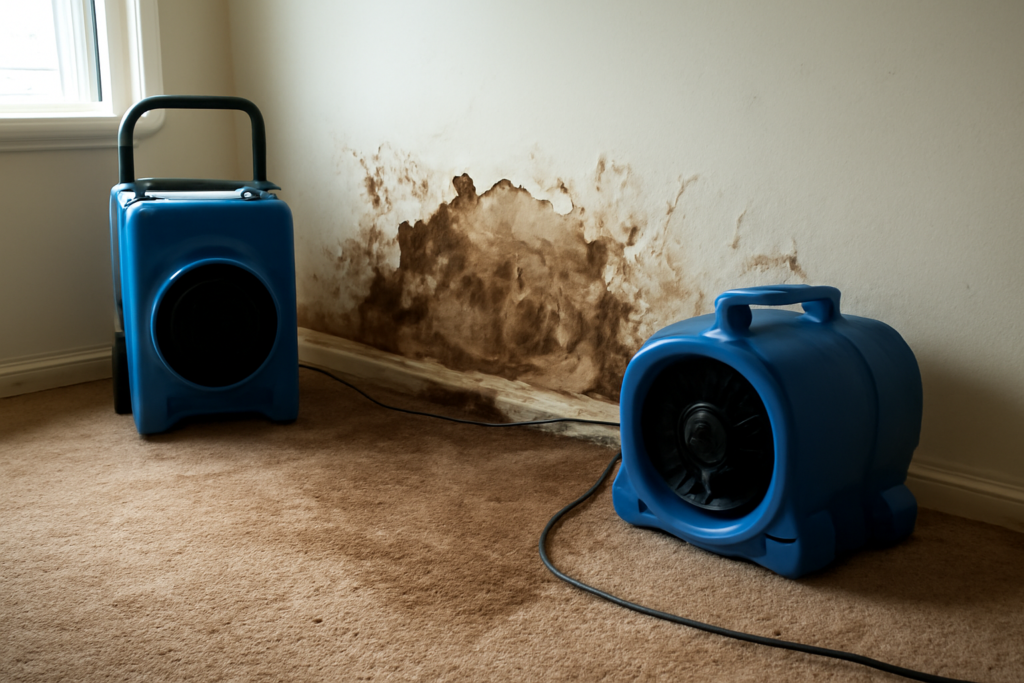
Don’t Let Your AC System Become a Water Hazard in Kearny Mesa, CA
If you’ve discovered water pooling around your air conditioning unit or noticed damp spots on your ceiling directly below it, you’re facing a common but serious issue:HVAC water damage. Many homeowners in Kearny Mesa, CA, mistakenly think a little moisture is harmless, but it can quickly lead to expensive structural problems and even mold growth if not addressed immediately. It’s crucial to understand that your HVAC system, while designed for air, can unfortunately become a source of significant water problems.
Our team has helped hundreds of neighbors deal with this exact situation, earning over 165 five-star reviews from satisfied homeowners right here in the area. You can trust that when you call us for your AC water issues, you’re getting a team that understands the urgency and the specific needs of your property. We focus on providing rapid, effective recovery so you can get back to normal without further stress.
- We specialize in drying out the internal components of your HVAC system, preventing corrosion and electrical shorts that can occur from standing water.
- Our process goes beyond just surface drying; we ensure that hidden moisture within ductwork and insulation is eliminated to stop mold before it starts.
- We work diligently to restore your system’s integrity, preventing future leaks and ensuring your indoor air quality remains healthy and clean.
How We Tackle HVAC Water Damage Restoration
Dealing with water from your AC system requires a different approach than a standard pipe burst. It’s often a slower leak that can go unnoticed, allowing moisture to seep into surrounding materials, creating a breeding ground for mold and compromising your home’s structure. Our team’s process is designed for speed and precision, understanding that the first 48 hours are critical. Delaying professional intervention can turn a manageable problem into a much larger, more costly restoration project.
Initial Inspection and Assessment
Our technicians will arrive promptly to thoroughly inspect the water source and the extent of the damage. We use specialized moisture meters to identify all affected areas, including those hidden within walls and ceilings, ensuring we have a clear picture of the situation before we begin any restoration work.
Water Extraction and Removal
Using powerful submersible pumps and industrial-grade extraction units, we’ll remove all standing water from your HVAC system, ductwork, and any affected surrounding areas. This step is vital for preventing further saturation and minimizing long-term damage.
Drying and Dehumidification
Once the bulk of the water is gone, we deploy high-speed air movers and industrial dehumidifiers to thoroughly dry out the affected spaces. This process can take several days, depending on the severity, and is essential for preventing mold growth and secondary damage.
Mold Prevention and Treatment
If signs of mold are already present or if conditions are conducive to its growth, our team will apply EPA-approved antimicrobial treatments. Our goal is to ensure your home is not only dry but also free from health hazards.
System Cleaning and Restoration
We’ll clean and sanitize all affected components of your HVAC system, including coils and drain pans, to remove contaminants and prevent future issues. If necessary, we can also perform minor repairs to restore your system’s functionality.
Don’t let a leaky AC unit cause significant damage to your home. Contact us immediately if you suspect HVAC water damage to start the restoration process and prevent further issues.

Warning Signs You Need HVAC Water Damage Restoration
Catching these subtle signs early can save you a lot of money and prevent the need for extensive repairs down the line. Your HVAC system is complex, and water issues can escalate quickly if ignored.
Musty Odors That Won’t Go Away
A persistent musty or moldy smell, especially when your AC is running, is a strong indicator of hidden moisture and potential mold growth within your system or ductwork. This smell is often the first sign of trouble.
Visible Water Stains or Puddles
Any visible water stains on your ceiling or walls, particularly those located directly below your air handler or ductwork, or puddles of water around your indoor AC unit, mean there’s an active leak that needs immediate attention.
Unusual Noises from the AC Unit
Gurgling or dripping sounds coming from your AC unit could indicate that water is backing up in the drain line or that there’s a leak within the system itself. These sounds are often early warning signals.
Reduced Airflow or Inconsistent Cooling
Waterlogged insulation or a malfunctioning drain pan can affect your system’s efficiency, leading to decreased airflow or uneven temperatures throughout your home. This indicates the system is not functioning correctly.
Increased Humidity Levels
If you notice your home feels unusually damp or humid, even when the AC is running, it could be a sign that the system isn’t properly removing moisture, possibly due to a clogged drain line or a leak.
HVAC Water Damage Restoration vs. DIY: When To Call a Professional
| Situation | DIY? | Call a Pro? | Why |
|---|---|---|---|
| Small, visible puddle near the indoor unit, AC is off | Yes, if you’re comfortable | Yes, for inspection | A small puddle can indicate a larger issue within the unit. |
| Water stains on ceiling below the air handler | No | Yes, immediately | This suggests water has saturated drywall and insulation, requiring professional drying. |
| Musty smell when AC is running | No | Yes, promptly | This indicates potential mold growth, which requires specialized treatment. |
| Frozen AC coils with water around the unit | No | Yes, immediately | Frozen coils often point to airflow problems that need expert diagnosis and repair. |
| Water actively dripping from ductwork | No | Yes, urgently | Dripping from ducts means significant leaks and potential structural damage. |
| Concern about mold or health effects | No | Yes, immediately | Mold remediation requires specialized equipment and safety protocols. |
For any situation involving visible water damage, persistent odors, or potential mold, it’s always best to call a professional team. Our technicians have the specialized training and equipment to handle HVAC water issues safely and effectively, ensuring your home is restored properly.
HVAC Water Damage Restoration Cost In Kearny Mesa, CA
The cost of HVAC water damage restoration in Kearny Mesa, CA, can vary significantly. Factors like the extent of the water damage, the size of the affected area, and the specific components of your HVAC system involved all play a role. These price ranges are estimates for typical scenarios and not a guarantee of final cost.
| Service | Typical Price Range | What Affects Cost |
|---|---|---|
| AC Drain Line Cleaning/Clearing | $150 – $400 | Severity of clog, accessibility of line |
| Water Extraction from Unit/Ductwork | $500 – $2,500 | Volume of water, complexity of access |
| Structural Drying (Affected Walls/Ceilings) | $700 – $3,000+ | Size of affected area, degree of saturation |
| Antimicrobial Treatment/Mold Prevention | $300 – $1,500 | Size of area treated, type of treatment |
| HVAC Component Cleaning & Sanitizing | $400 – $1,200 | Number of components affected, extent of contamination |
| Minor Ductwork Repair/Sealing | $300 – $1,000 | Extent of damage, type of material needing repair |
A thorough on-site assessment by our team is necessary to provide an accurate quote. We offer free estimates so you know exactly what to expect before any work begins.
Service Areas Near Kearny Mesa, CA
La Jolla, UTC, Mira Mesa, Sorrento Valley, Clairemont, Mission Valley, Linda Vista, Tierrasanta, Scripps Ranch, Poway, Rancho Bernardo, San Carlos, Del Mar, Solana Beach, Encinitas, Carlsbad, Oceanside, Escondido, Fallbrook, Bonsall.
Common Questions About HVAC Water Damage Restoration
My AC is leaking water, should I just turn it off?
Turning off your AC unit is a good first step if you see significant leaking, as it stops the immediate source of water. However, you should also call a professional immediately. While turning it off prevents more water from accumulating, the existing moisture can still lead to mold and structural damage if not properly dried out. Our team can assess the situation and begin the necessary drying and restoration process.
How long does HVAC water damage restoration take?
The timeline for HVAC water damage restoration can vary greatly depending on the severity of the leak and the extent of the damage. Simple drain line clogs might be resolved in a few hours. However, if water has saturated drywall, insulation, or ductwork, the drying process alone can take 3 to 5 days, followed by any necessary repairs. We work efficiently to minimize downtime.
Is HVAC water damage covered by homeowners insurance?
In many cases, yes, HVAC water damage can be covered by homeowners insurance, especially if the leak was sudden and accidental. However, damage resulting from poor maintenance, like a neglected drain line, might not be covered. It’s best to check your policy and contact your insurance provider. We can help document the damage for your claim, providing clear photographic evidence and detailed reports.
What kind of equipment do you use to dry out my HVAC system and home?
Our team uses specialized equipment designed for effective water damage restoration. This includes high-powered water extractors for removing standing water, industrial-grade air movers to accelerate surface drying, and LGR (Low-Grain Refrigerant) dehumidifiers to pull moisture out of the air and materials. We also use advanced moisture meters and thermal imaging cameras to detect hidden water, ensuring a thorough drying process.
How can I prevent my AC from causing water damage in the future?
Regular maintenance is key to preventing future HVAC water damage. This includes having your drain line inspected and cleared annually, checking your condensate pump regularly, ensuring your AC unit is properly sealed, and scheduling professional tune-ups to catch potential issues early. Proactive care can save you from costly emergency repairs and protect your home.
Check Our Other Relevant Services
Serving Kearny Mesa, CA And Nearby Areas


