
Trusted by 155+ Homeowners
HVAC Water Damage Restoration in Coronado, CA
- Over 157 5-Star Reviews
- Free Estimates and Quotes
- 100% Satisfaction Guaranteed
- Child, Family & Pet Safe Steps
- 24-Hour Emergency Service
- Fully Licensed & Insured
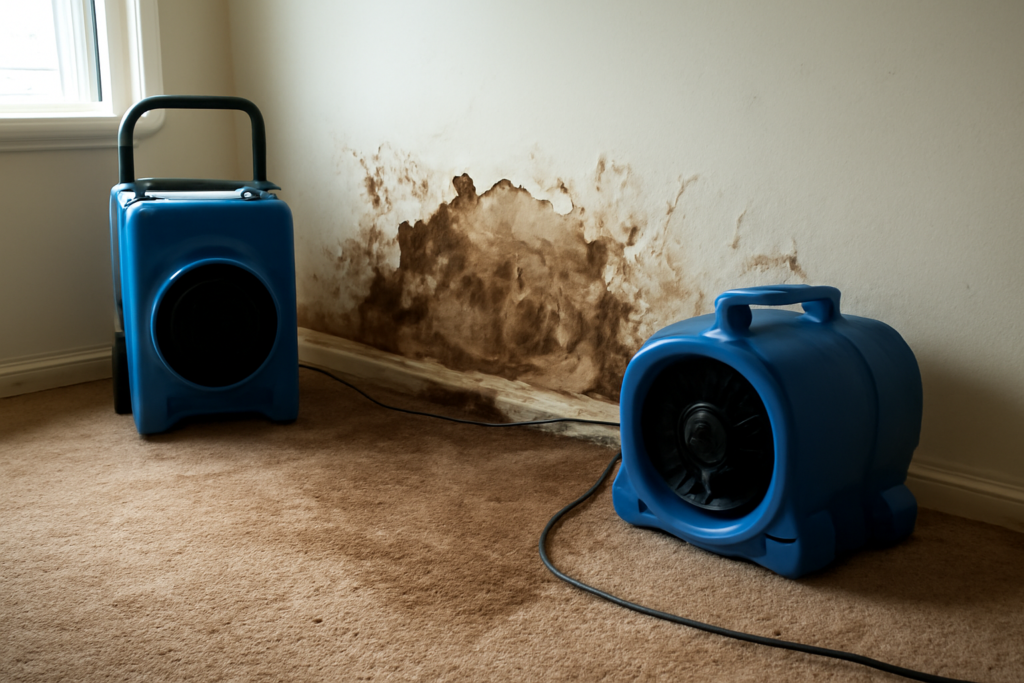
HVAC Water Damage: Don’t Ignore Leaks in Your Coronado, CA Home
You walk into your living room and notice it. A dark, spreading stain on the ceiling, directly below where you know the air handler unit is located. Maybe you hear a faint drip, or smell that unmistakable musty odor. It’s not just a minor inconvenience; it’s a clear sign that your HVAC system is leaking water, and that water is damaging your home. This specific type of damage requires immediate attention to prevent mold growth and structural compromise.
We’ve helped over 165 local families deal with unexpected water issues, and many of them came to us after discovering leaks from their air conditioning or heating units. Homeowners around here trust us because we understand the unique challenges of water damage in our coastal climate and we act fast to get your system back to normal. You’ll find we’re committed to swift, effective repairs.
- We focus on pinpointing the exact source of the leak within your HVAC unit, whether it’s a clogged drain line, a cracked pan, or a faulty seal, ensuring long-term leak prevention.
- Our specialized drying equipment is deployed to remove moisture from ductwork and surrounding areas, preventing secondary damage like mold and mildew that can affect your indoor air quality.
- We meticulously inspect and document all affected materials, making the insurance claim process smoother for you and ensuring all necessary repairs are covered for complete restoration.
How We Tackle HVAC Water Damage Restoration
When water escapes your HVAC system, it can travel far beyond the unit itself, seeping into walls, ceilings, and floors. Ignoring these leaks leads to costly secondary damage, including the growth of harmful mold and potential structural weakening. Our team uses a systematic, science-backed approach to ensure every drop of excess moisture is removed, protecting your property and your health. We don’t cut corners; we follow strict protocols for thorough water extraction and drying.
Step 1: Immediate Water Extraction
Our crews arrive quickly to remove standing water using powerful truck-mounted or portable extraction units. This is critical for preventing further saturation and damage to your home’s materials. We aim to extract as much visible water as possible, often within the first few hours.
Step 2: Moisture Detection and Assessment
Using advanced moisture meters, thermal imaging cameras, and hygrometers, we precisely locate all hidden moisture within your home’s structure. Understanding the extent of the water intrusion is key to creating an effective drying plan and preventing future hidden problems.
Step 3: Targeted Drying and Dehumidification
We deploy specialized drying equipment, including air movers and industrial-grade dehumidifiers, to accelerate the evaporation process. These units work to bring your home’s environment back to normal humidity levels, often over a period of several days.
Step 4: Containment of Affected Areas
To prevent cross-contamination and ensure efficient drying, we establish containment zones. This might involve sealing off affected rooms with plastic sheeting, which helps concentrate the drying efforts and protects unaffected areas from potential airborne mold.
Step 5: Cleaning and Sanitization
Once drying is complete, we thoroughly clean and sanitize all affected surfaces and materials. This step is vital for removing any contaminants, preventing mold growth, and restoring a healthy living environment in your property.
Don’t let a leaking HVAC unit cause extensive damage. Call us now to get expert help and start the restoration process today. We’re ready to provide fast, reliable service.

Warning Signs You Need HVAC Water Damage Restoration
Catching water leaks from your HVAC system early can save you a significant amount of money and prevent serious health issues. Many homeowners overlook subtle signs, thinking it’s just condensation or a minor issue. However, these indicators often point to a larger problem developing within your home’s essential systems. Recognizing these signs immediately is your first line of defense against costly repairs.
Musty Odors That Won’t Go Away
If you notice a persistent damp, earthy, or musty smell, especially near air vents or your HVAC unit, it’s a strong indicator of water trapped somewhere. This odor often signals the early stages of mold growth, which thrives in dark, moist environments like hidden ductwork.
Visible Water Stains or Damage
Look for new or expanding water stains on ceilings, walls, or floors, particularly directly above or beside your HVAC unit. These marks are undeniable evidence of water pooling and spreading, which can weaken drywall and paint, requiring immediate professional attention.
Puddles or Damp Spots Around the Unit
If you see puddles of water on the floor around your air handler or furnace, or notice dampness in the insulation or surrounding materials, it’s a clear sign of a leak. This often happens with clogged condensate drain lines, causing water to overflow and potentially damage your flooring and subfloor.
Reduced Airflow or Strange Noises
While not always directly related to water, a sudden decrease in airflow or unusual sounds from your HVAC system can sometimes accompany water issues. A compromised duct or a unit malfunctioning due to water can impact performance, leading to uneven temperatures.
High Humidity Levels Indoors
If your home feels unusually humid, even when the air conditioner is running, your HVAC system might be struggling to manage moisture effectively due to a leak or a blocked drain. Elevated humidity can make your home feel sticky and uncomfortable, promoting mold growth on various surfaces.
Mold or Mildew Growth
Seeing visible signs of mold or mildew, often appearing as black, green, or white fuzzy patches, is a serious warning. This growth is a direct result of prolonged moisture exposure, and its presence indicates that water has been present long enough to cause biological contamination, impacting your health.
HVAC Water Damage Restoration vs. DIY: When To Call a Professional
| Situation | DIY? | Call a Pro? | Why |
|---|---|---|---|
| Small condensation puddle near the indoor unit. | Yes, if you can safely access and clear the drain line. | Yes, if the puddle is large or recurring. | Recurring puddles may indicate a deeper issue like a cracked pan or vent blockage that needs expert assessment. |
| Musty smell from vents. | Maybe, try running a dehumidifier and checking for obvious leaks. | Yes, if the smell persists after a few days. | Persistent odors often mean hidden mold growth in ductwork or insulation that DIY methods can’t reach. |
| Water stains on the ceiling. | No. | Yes. | Ceiling stains indicate water has penetrated drywall, requiring professional drying and potential repair to prevent structural damage and mold. |
| Visible mold growth around the unit. | No. | Yes. | Mold requires specialized containment and remediation techniques to safely remove it and prevent airborne spores from spreading. |
| HVAC unit is making unusual noises related to water. | No. | Yes. | Unusual noises suggest internal damage or water accumulation within the unit itself, which needs expert diagnosis and repair. |
| Suspected leak behind walls or in ductwork. | No. | Yes. | Accessing and drying behind walls or within ducts requires specialized equipment and knowledge to avoid further damage. |
For most situations involving water damage from your HVAC system, especially if it’s more than a minor condensation issue, calling a professional is the safest and most effective route. Our team has the specialized equipment and training to handle complex water intrusion.
HVAC Water Damage Restoration Cost In Coronado, CA
The cost of HVAC water damage restoration in Coronado, CA can vary significantly based on the extent of the damage, the size of the affected area, and the specific components of your HVAC system involved. These figures are estimates and a precise quote requires an on-site assessment of your unique situation. We always aim to provide clear, upfront pricing.
| Service | Typical Price Range | What Affects Cost |
|---|---|---|
| Initial Water Extraction and Removal | $500 – $1,500 | The volume of water to be extracted and accessibility of the affected areas. |
| Moisture Assessment and Inspection | $300 – $800 | The complexity of the intrusion and the need for advanced detection tools like thermal imaging. |
| Drying and Dehumidification (per day/zone) | $200 – $600 | The number of days required to reach drying goals and the size of the containment zones. |
| HVAC Duct Cleaning and Sanitization | $500 – $2,000 | The length and complexity of the ductwork, and the level of contamination found. |
| Minor Material Removal and Disposal | $200 – $1,000 | The amount of damaged drywall, insulation, or flooring that needs to be removed. |
| Mold Remediation (if secondary growth occurs) | $1,000 – $5,000+ | The severity and spread of mold growth, and the containment protocols required. |
The best way to get an accurate estimate for your specific needs is to schedule an on-site evaluation with our team. We offer free, no-obligation estimates for all HVAC water damage restoration projects.
Service Areas Near Coronado, CA
Coronado, Bonita, Chula Vista, Eastlake, Imperial Beach, La Jolla, Lemon Grove, National City, Nestor, Ocean Beach, Pacific Beach, Point Loma, San Diego, San Ysidro, Santee, Spring Valley, Tierrasanta, University City, Valley Center, Vista.
Common Questions About HVAC Water Damage Restoration
How quickly do I need to address HVAC water damage?
You need to act immediately. Water left standing or trapped can cause significant damage within 24-48 hours, leading to structural weakening, electrical hazards, and the rapid growth of mold and mildew. Our team is available 24/7 to respond to emergencies and begin the drying process, preventing further deterioration of your home.
Will my homeowner’s insurance cover HVAC water damage?
Typically, homeowner’s insurance policies cover accidental water damage, including leaks from HVAC systems, especially if it’s sudden and accidental. However, they often exclude damage caused by poor maintenance or neglect. We work closely with your insurance company to document the damage and ensure you receive the coverage you’re entitled to for proper restoration.
How long does HVAC water damage restoration usually take?
The timeline depends on the severity of the water intrusion. Simple leaks might be resolved in a few days with rapid drying. More extensive damage, where water has saturated walls or flooring, could take a week or longer to dry completely. We use advanced equipment to expedite drying and get your home back to normal as quickly as possible.
What kind of equipment do you use to dry my home after an HVAC leak?
We use a variety of professional-grade equipment, including powerful water extractors for immediate water removal, high-speed air movers to increase evaporation, and industrial dehumidifiers to reduce humidity levels. We also utilize specialized tools like moisture meters and thermal cameras to ensure all hidden moisture is located and removed from your home’s structure and HVAC system, guaranteeing complete drying.
Can I prevent water damage from my HVAC system?
Yes, regular maintenance is key. Ensure your condensate drain line is clear and functioning properly, have your air filters changed regularly, and schedule annual check-ups with an HVAC technician. These preventative steps can help identify potential issues like cracks or clogs before they lead to a damaging leak, protecting your home from costly repairs.
Check Our Other Relevant Services
Serving Coronado, CA And Nearby Areas


