
Trusted by 155+ Homeowners
HVAC Water Damage Restoration in Carlsbad, CA
- Over 157 5-Star Reviews
- Free Estimates and Quotes
- 100% Satisfaction Guaranteed
- Child, Family & Pet Safe Steps
- 24-Hour Emergency Service
- Fully Licensed & Insured
What To Do When Your HVAC System Leaks Water in Carlsbad, CA
You walk into your home and notice it. A damp spot on the ceiling, a growing puddle near your air handler, or maybe that distinct, unpleasant smell of mildew. It’s not just a little drip; it’s water coming from your HVAC system, and it’s spreading fast. This kind of damage can feel overwhelming, especially when it involves the complex workings of your heating and cooling equipment. Your immediate thought might be about the potential mess and the cost. You need to act quickly to stop the spread and prevent further issues. Addressing HVAC leaks is critical to protecting your property.
With over 165 five-star reviews from neighbors around here, people trust us to handle these specific emergencies. We understand the science behind drying and restoring homes, and we bring that expertise right to your doorstep. For homeowners in Carlsbad, CA, and the surrounding areas, we’re the local team that gets it right the first time, especially when it comes to tricky water sources like your air conditioning or heating unit. You’ll appreciate our clear communication and our commitment to getting your home back to normal.
- We specialize in pinpointing the exact source of the leak within your HVAC system, whether it’s a clogged drain line, a faulty coil, or a damaged duct.
- Our advanced drying technology targets the hidden moisture within your walls and ductwork, preventing mold growth and structural damage that other methods might miss.
- We go beyond just cleaning up the visible water; we focus on restoring the air quality in your home and ensuring your HVAC system operates safely and efficiently afterward.
The Technical Process of HVAC Water Damage Restoration
When water escapes your HVAC unit, it’s not like a simple pipe burst. The moisture can travel through ductwork, saturate insulation, and hide in places you can’t see. Our approach is methodical and science-based. We don’t just remove standing water; we meticulously dry the affected materials to their original moisture content using precise protocols. This ensures that long-term damage like mold and structural compromise is avoided. Proper drying is essential to prevent secondary issues. Ignoring the underlying cause or using improper drying techniques can lead to bigger, more expensive problems down the road.
Inspection and Assessment
Our certified technicians arrive promptly to perform a thorough inspection. We use specialized equipment like moisture meters and thermal imaging cameras to identify the full extent of the water damage, including areas hidden within walls and ceilings. This detailed assessment helps us create a targeted drying plan. Accurate damage assessment is the first step to effective restoration.
Water Extraction
We use powerful, truck-mounted extraction units to remove all standing water from your property quickly and efficiently. This process is crucial for minimizing damage and starting the drying phase as soon as possible. The speed of extraction directly impacts the potential for mold growth and material warping. Rapid water removal is key.
Controlled Drying
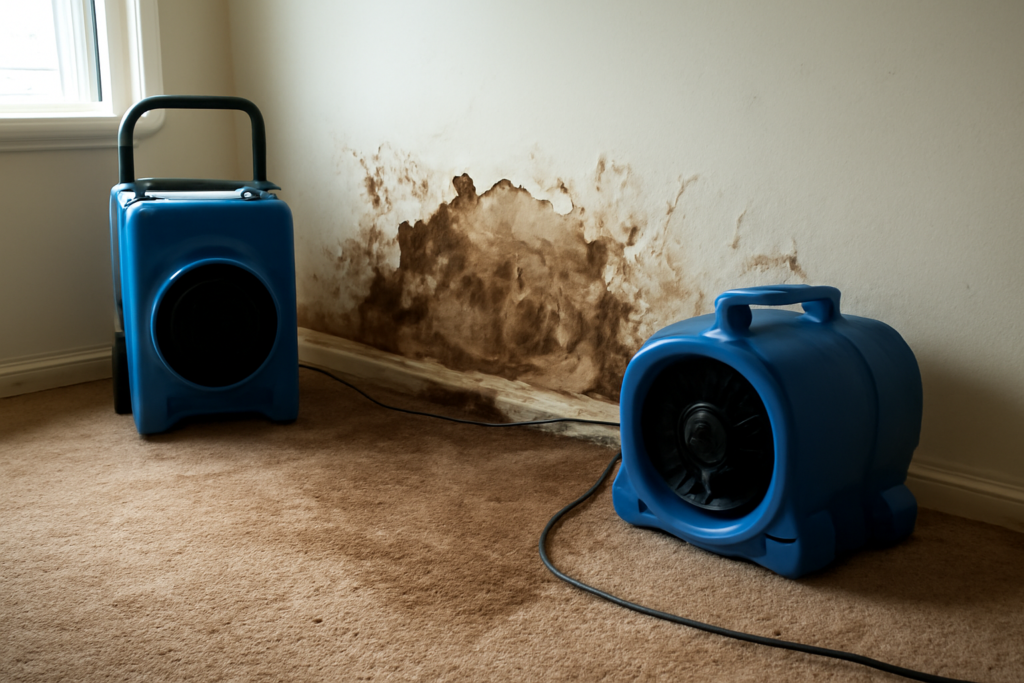
This is where the science really comes into play. We set up specialized drying equipment, including air movers and dehumidifiers, to create an optimal drying environment. These machines work together to accelerate evaporation and remove moisture from the air and building materials. We monitor humidity and temperature levels closely, adjusting our equipment as needed to meet specific drying goals. Advanced drying technology ensures materials are restored to pre-loss conditions.
Containment
To prevent cross-contamination and ensure the drying process is efficient, we establish containment barriers. This involves sealing off affected areas using plastic sheeting and negative air pressure machines. This containment prevents airborne contaminants from spreading to unaffected parts of your home. Effective containment protects your healthy living spaces.
Reconstruction and Restoration
Once everything is thoroughly dried and tested, we can begin the reconstruction phase. This may involve replacing damaged drywall, insulation, flooring, or even making repairs to the HVAC system itself. Our goal is to return your home to its original condition, or better. We aim for a complete property restoration.
Don’t wait for the problem to worsen. Call us now to get our expert team on the way to your property immediately. We’ll assess the situation and start the drying process right away. Prompt action saves your home.

Warning Signs You Need HVAC Water Damage Restoration
Catching water issues from your HVAC early can save you significant money and prevent serious health hazards. Many homeowners don’t realize their system is leaking until they see a visible puddle or smell something off. However, there are often subtle signs that something is wrong before it becomes a major problem. Paying attention to these indicators can help you address the issue before it escalates into widespread damage. Early detection is crucial for minimizing disruption.
Musty or Moldy Odors
This is often the first and most obvious sign. If you notice a persistent damp, musty, or mildew-like smell, especially when your HVAC system is running, it’s a strong indicator of hidden moisture. This smell can originate from stagnant water in the drain pan, a clogged condensate line, or even moisture within your ductwork. Persistent odors signal trouble.
Visible Water Stains or Puddles
Any water you can see is a clear sign of a problem. This could be a puddle forming on the floor near your air handler or furnace, water stains appearing on ceilings or walls near vents, or even drips from ductwork. These visible signs mean there’s an active leak that needs immediate attention. Visible water means active damage.
Increased Humidity Levels
If your home feels unusually damp or sticky, even when your air conditioning is running, your HVAC system might be contributing to the problem. A malfunctioning AC unit can sometimes lead to excessive condensation that isn’t properly drained, increasing indoor humidity. This can create an environment ripe for mold and mildew growth. Unexplained humidity spikes are a red flag.
Reduced Airflow or Strange Noises
While not always directly related to water, significant leaks or blockages within the HVAC system can sometimes affect airflow or cause unusual noises. If you notice a change in how your system performs, it’s worth investigating for underlying issues, including water-related problems. System performance changes warrant inspection.
Peeling Paint or Warped Materials
Water damage can manifest visually on your home’s surfaces. If you see paint peeling or bubbling on walls or ceilings near vents or the HVAC unit, or notice areas where drywall seems to be warping or sagging, it’s a sign that moisture has been present for some time. Material damage indicates moisture intrusion.
HVAC System Freezing Up
A common cause of AC units freezing up is a blocked condensate drain line. When water can’t drain properly, it can freeze on the evaporator coils, leading to reduced cooling efficiency and potential water leaks when the ice eventually melts. This often requires professional intervention to clear the blockage and dry the area. Frozen coils can cause leaks.
HVAC Water Damage Restoration vs. DIY: When To Call a Professional
| Situation | DIY? | Call a Pro? | Why |
|---|---|---|---|
| Small puddle under air handler | Yes, if minor and contained. | Yes, if persistent or large. | A small puddle might be a simple fix, but a recurring one suggests a deeper issue requiring expert diagnosis. |
| Visible water stains on ceiling | No. | Yes, absolutely. | Ceiling stains indicate water has likely saturated insulation and drywall, requiring professional drying and potential repair. |
| Musty smell when AC runs | Maybe, if you can easily access and clean the drain pan. | Yes, if the smell persists or is strong. | Odors often point to hidden mold or widespread moisture within ducts or walls that DIY methods can’t reach. |
| Water inside HVAC unit components | No. | Yes, immediately. | Internal unit water issues can involve electrical components and complex mechanisms that require specialized knowledge. |
| Dampness spreading to walls/floors | No. | Yes, without delay. | When water spreads beyond the immediate unit, it risks significant structural damage and mold growth that needs professional intervention. |
| Clogged condensate drain line | Yes, if easily accessible and you’re comfortable with basic plumbing. | Yes, if the line is hard to reach or the problem recurs. | Clearing a simple drain line can be a DIY task, but repeated clogs might signal a larger system issue. |
For anything beyond a very minor, contained spill, calling a professional is the safest bet. DIY attempts can sometimes mask the real problem or fail to dry materials adequately, leading to mold and structural damage. Professional intervention prevents hidden problems. Our certified technicians have the tools and training to handle the complexities of HVAC water damage.
HVAC Water Damage Restoration Cost In Carlsbad, CA
The cost of repairing HVAC water damage in Carlsbad, CA, can vary significantly. Factors like the extent of the water intrusion, the size of the affected area, the complexity of your HVAC system, and whether secondary damage like mold has occurred all play a role. These figures are estimates and can change based on your specific situation. Accurate cost assessment requires an on-site evaluation.
| Service | Typical Price Range | What Affects Cost |
|---|---|---|
| Inspection and Moisture Mapping | $300 – $800 | The size of the affected area and the complexity of the HVAC system. |
| Water Extraction | $500 – $2,500 | The volume of water removed and the accessibility of the space. |
| Controlled Drying Equipment Rental | $500 – $3,000+ | The number of dehumidifiers and air movers needed, and the duration of drying. |
| Containment Setup | $300 – $1,000 | The size of the area being contained and the complexity of the setup. |
| HVAC Drain Line Cleaning/Repair | $150 – $500 | The ease of access to the line and whether the clog requires specialized tools. |
| Mold Remediation (if necessary) | $1,000 – $5,000+ | The severity and spread of mold growth, and the materials affected. |
These prices are general estimates for HVAC-specific water damage restoration. An on-site assessment by our team will provide you with a precise quote tailored to your property’s needs. We offer free, no-obligation estimates for all restoration projects.
Service Areas Near Carlsbad, CA
Carlsbad, Oceanside, Vista, San Marcos, Encinitas, La Costa, Leucadia, Cardiff-by-the-Sea, Solana Beach, Del Mar, Rancho Santa Fe, Fairbanks Ranch, Fallbrook, Bonsall, Camp Pendleton South, Pala, Pauma Valley, Valley Center, Escondido, San Diego.
Common Questions About HVAC Water Damage Restoration
My AC unit is leaking water, what should I do first?
The very first step is to turn off your AC unit at the thermostat to prevent further water damage and potential electrical hazards. Then, if it’s safe to do so, place towels or buckets to catch any immediate drips. Don’t attempt major repairs yourself. Contacting a professional immediately is crucial, as we can quickly assess the situation and begin the necessary drying and restoration process. We’ll handle the technical aspects for you.
How long does HVAC water damage restoration take?
The timeline for HVAC water damage restoration can vary greatly, typically ranging from a few days to a couple of weeks. It depends on the severity of the leak, the amount of water involved, and how quickly we can implement our drying protocols. Factors like building materials and ambient humidity also play a role. We strive for efficient drying schedules while ensuring thoroughness.
Is HVAC water damage covered by homeowners insurance?
Often, yes, but it depends on your specific policy and the cause of the water damage. Sudden and accidental leaks are typically covered, while gradual damage or issues resulting from poor maintenance might not be. We can help document the damage for your insurance claim. We have experience working with insurance claim documentation to make the process smoother for you.
How much does it cost to fix a leaking HVAC unit?
The cost to fix a leaking HVAC unit and restore the resulting water damage can range from a few hundred dollars for a simple drain line clog to several thousand for extensive damage requiring professional drying and repairs. Our pricing is based on the scope of work needed, and we provide transparent cost breakdowns after an initial assessment. We aim to provide competitive pricing.
Can HVAC water leaks cause mold?
Absolutely. Any water left standing or trapped within building materials for more than 24-48 hours can lead to mold growth. HVAC systems can create dark, moist environments within ductwork or insulation that are perfect for mold. Our restoration process includes thorough drying and, if necessary, mold remediation to ensure your home is healthy again. We focus on preventing mold growth through rapid drying.
Check Our Other Relevant Services
Serving Carlsbad, CA And Nearby Areas


