
Trusted by 155+ Homeowners
Storm Damage Restoration in Mission Valley, CA
- Over 157 5-Star Reviews
- Free Estimates and Quotes
- 100% Satisfaction Guaranteed
- Child, Family & Pet Safe Steps
- 24-Hour Emergency Service
- Fully Licensed & Insured

When the Skies Open Up: Your Guide to Storm Damage Restoration in Mission Valley, CA
When heavy rains or high winds hit your property, you might not realize the extent of the damage until it’s too late. One common mistake homeowners make is delaying the cleanup, thinking a little water will just dry up. However, even seemingly minor storm damage can lead to significant structural issues and mold growth if not addressed immediately. Understanding the immediate signs and knowing when to call for help is your first line of defense against costly repairs. We’re here to help you navigate these stressful situations.
Locally, homeowners have trusted our team for over 165 five-star reviews because we understand the urgency storm damage demands. We’ve seen firsthand how quickly a small problem can escalate. When your home needs immediate attention after a storm, choosing a team that prioritizes rapid response means protecting your investment and getting your life back to normal faster. We’re committed to providing that reliable, local service you deserve.
- Rapid response to mitigate further damage, often within hours of your call, preventing secondary issues like mold.
- Specialized drying equipment, like industrial-grade air movers and dehumidifiers, that go beyond what you can rent to truly dry out your structure.
- Experienced technicians who know how to identify hidden water and assess structural integrity, ensuring a thorough and safe restoration.
How Storm Damage Restoration Actually Works
The process of restoring a home after storm damage is critical, and the speed at which it’s done makes a huge difference. When you cut corners or delay, water can penetrate deeper into your materials, leading to rot, mold, and compromised structural integrity. Our team follows a detailed, methodical approach to ensure every affected area is properly handled. This isn’t just about surface cleanup; it’s about a deep, effective restoration that protects your home’s long-term health. We use proven techniques and advanced equipment to get the job done right.
1. Emergency Inspection and Assessment
Upon arrival, our technicians will conduct a thorough inspection using advanced moisture meters and thermal imaging cameras to pinpoint all affected areas, including hidden moisture. This initial assessment helps us understand the scope of the storm damage and develop a targeted restoration plan. You’ll receive a clear explanation of what we’ve found and our proposed next steps. We aim to complete this crucial first step within 1-2 hours.
2. Water Extraction
The immediate priority is removing standing water. We use powerful truck-mounted or portable extraction units to quickly remove large volumes of water from your property. This step is vital to prevent further saturation of building materials and to halt the growth of mold and bacteria. Depending on the amount of water, this can take anywhere from a few hours to a full day.
3. Structural Drying and Dehumidification
Once the bulk of the water is gone, we set up industrial-strength air movers and dehumidifiers to dry out the affected structural components like walls, floors, and ceilings. These machines work continuously to reduce humidity levels and accelerate the drying process, preventing long-term damage. This phase typically lasts 2-5 days, depending on the severity of saturation.
4. Content Cleaning and Restoration
We carefully assess all your salvageable belongings, including furniture, documents, and electronics. Items that can be cleaned will be taken to our secure facility for specialized restoration, while damaged items that cannot be saved will be documented and disposed of properly. This process ensures your cherished possessions are handled with care and given the best chance for recovery.
5. Mold Prevention and Remediation
Storm damage can create ideal conditions for mold growth. We take proactive steps to prevent mold by thoroughly drying all affected areas and applying antimicrobial treatments where necessary. If mold is already present, our certified technicians will safely remove it according to industry standards. This critical step protects your family’s health and your home’s integrity.
Don’t wait for storm damage to worsen; contact us immediately for rapid response. Getting professional help quickly is your best strategy for a successful restoration.
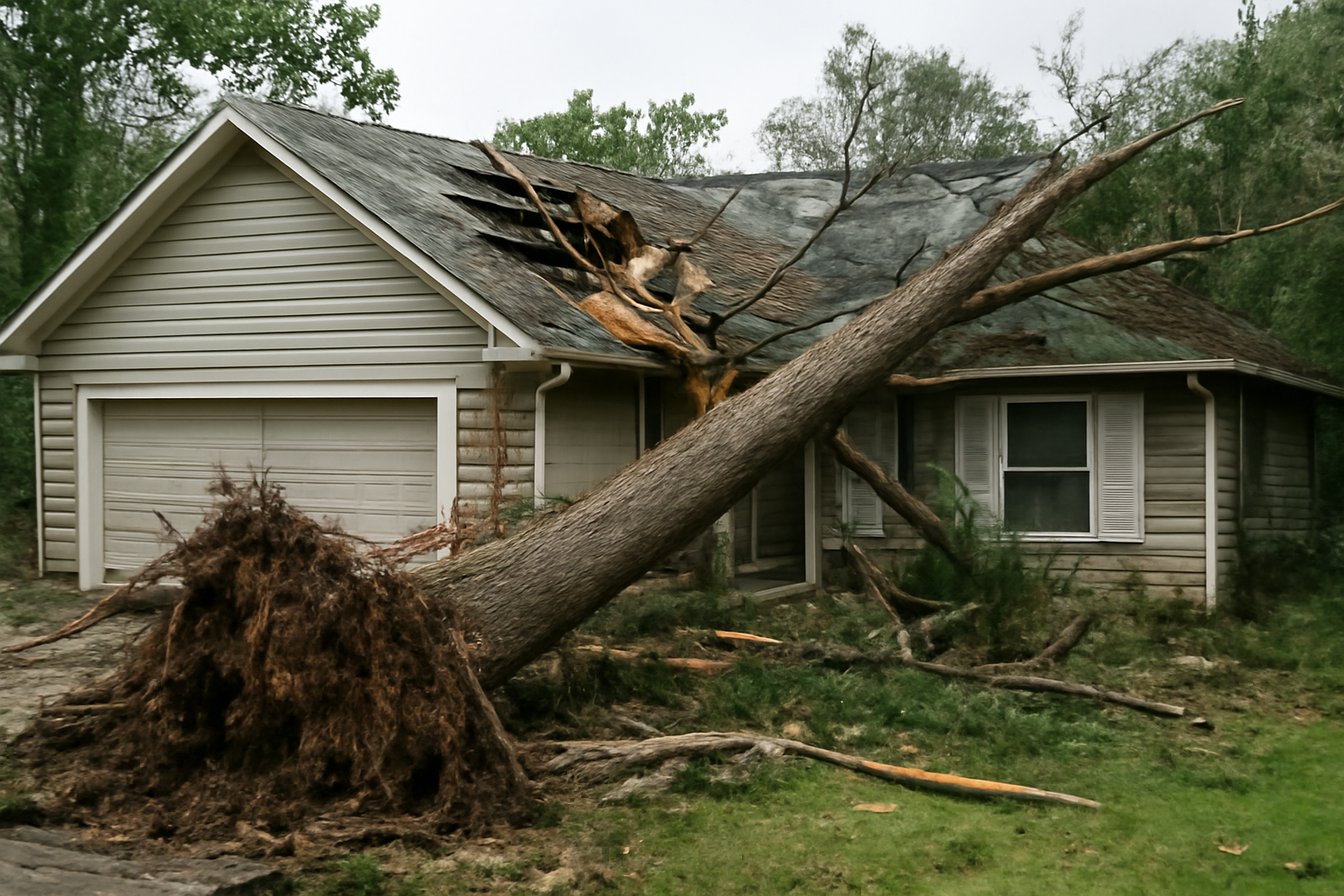
Warning Signs You Need Storm Damage Restoration
Catching the subtle indicators of storm damage early can save you a lot of money and prevent much larger problems down the road. Ignoring these signs can lead to issues that are far more expensive and time-consuming to fix. Your property might be silently suffering long after the storm has passed. Keep an eye out for these common indicators.
Musty Odors That Won’t Go Away
A persistent musty or earthy smell, especially in basements or crawl spaces, is often a sign of hidden moisture and potential mold growth. This smell doesn’t just disappear on its own; it indicates an ongoing problem that needs professional attention.
Visible Water Stains or Discoloration
Brown or yellow stains appearing on ceilings, walls, or around window frames are clear indicators of water intrusion. These marks show where water has seeped through and is likely causing damage to the underlying materials. Don’t underestimate these visual cues; they require immediate investigation.
Peeling or Bubbling Paint and Wallpaper
When moisture gets behind your paint or wallpaper, it can cause it to bubble, blister, or peel away from the surface. This is a direct sign that the materials are compromised and need to be addressed before the damage spreads. It’s a clear indicator of water saturation.
Soft or Sagging Drywall and Ceilings
If sections of your drywall or ceiling feel soft to the touch, or if they appear to be sagging, it means they have absorbed a significant amount of water. This condition poses a serious risk of collapse and requires immediate professional assessment and repair. This is a critical warning sign.
Warped Flooring or Damaged Baseboards
Water can cause hardwood floors to warp, buckle, or cup. Even laminate or vinyl flooring can become damaged and lift. Warped baseboards or water lines visible on the lower parts of your walls also point to water intrusion that needs professional handling. These issues compromise your home’s foundation.
Increased Humidity Indoors
If your home feels unusually damp or humid even when the weather outside isn’t, it could be due to moisture trapped within your walls or ventilation systems from storm damage. This elevated humidity can lead to discomfort and promote mold growth. It’s a sign that the air quality in your home is affected.
Storm Damage Restoration vs. DIY: When To Call a Professional
| Situation | DIY? | Call a Pro? | Why |
|---|---|---|---|
| Minor roof leak after a storm with a small puddle on the floor | Yes, for immediate cleanup with towels and fans. | Yes, if leak persists or damage is visible. | Small leaks can indicate larger issues or lead to hidden damage. |
| Standing water in the basement after heavy rain | No. | Yes, absolutely. | Large volumes of water require professional extraction equipment and drying techniques. |
| Visible mold growth on a small bathroom ceiling tile | No, unless it’s less than a 10 sq ft area and you have proper protection. | Yes, especially if it’s widespread or recurring. | Mold can be a serious health hazard and requires expert containment and removal. |
| Damaged siding or a few missing shingles | Yes, for temporary tarping if you’re comfortable. | Yes, for permanent repair. | Proper shingle replacement and siding repair are crucial for preventing further water intrusion. |
| Flooded living room with water several inches deep | No. | Yes, immediately. | Extensive flooding requires specialized equipment for water removal, drying, and potential structural assessment. |
| Musty smell in a closet after a storm | No, investigate further. | Yes, for a thorough inspection. | Hidden moisture and mold can cause significant damage and health issues if not found and treated. |
While minor cleanup can sometimes be handled by a homeowner, any significant water intrusion, structural compromise, or potential for mold requires professional expertise. For storm damage in Mission Valley, CA, acting fast with the right team makes all the difference.
Storm Damage Restoration Cost In Mission Valley, CA
The cost of storm damage restoration in Mission Valley, CA, can vary significantly. Factors like the severity of the storm, the size of the affected area, the type of materials damaged, and the complexity of the restoration work all play a role. These price ranges are estimates and not guarantees; a precise quote requires an on-site assessment.
| Service | Typical Price Range | What Affects Cost |
|---|---|---|
| Emergency Water Extraction | $500 – $3,000 | Volume of water, accessibility of the area, and time of day. |
| Structural Drying and Dehumidification | $1,000 – $7,000+ | Size of the affected space, saturation level, and duration of drying needed. |
| Mold Testing and Remediation | $500 – $5,000+ | Amount of mold present, location, and containment requirements. |
| Content Cleaning and Restoration | $300 – $5,000+ | Number and type of items, complexity of cleaning needed, and whether off-site restoration is required. |
| Board-Up Services (temporary protection) | $200 – $1,000 | Extent of damage requiring boarding, materials used, and urgency. |
| Reconstruction and Repair | Varies Widely | Scope of damage, materials needed, and labor involved. |
An on-site assessment by our certified technicians is the best way to get an accurate estimate for your specific storm damage situation. We offer free estimates to help you understand the scope and cost involved.
Service Areas Near Mission Valley, CA
La Jolla, Pacific Beach, Ocean Beach, Point Loma, Coronado, National City, Chula Vista, Bonita, Imperial Beach, Spring Valley, La Mesa, El Cajon, Santee, Poway, Rancho Bernardo, Carmel Valley, Del Mar, Solana Beach, Encinitas, Carlsbad.
Storm Damage Restoration Cost In Mission Valley, CA
The cost of storm damage restoration in Mission Valley, CA, can vary significantly. Factors like the severity of the storm, the size of the affected area, the type of materials damaged, and the complexity of the restoration work all play a role. These price ranges are estimates and not guarantees; a precise quote requires an on-site assessment.
| Service | Typical Price Range | What Affects Cost |
|---|---|---|
| Emergency Water Extraction | $500 – $3,000 | Volume of water, accessibility of the area, and time of day. |
| Structural Drying and Dehumidification | $1,000 – $7,000+ | Size of the affected space, saturation level, and duration of drying needed. |
| Mold Testing and Remediation | $500 – $5,000+ | Amount of mold present, location, and containment requirements. |
| Content Cleaning and Restoration | $300 – $5,000+ | Number and type of items, complexity of cleaning needed, and whether off-site restoration is required. |
| Board-Up Services (temporary protection) | $200 – $1,000 | Extent of damage requiring boarding, materials used, and urgency. |
| Reconstruction and Repair | Varies Widely | Scope of damage, materials needed, and labor involved. |
An on-site assessment by our certified technicians is the best way to get an accurate estimate for your specific storm damage situation. We offer free estimates to help you understand the scope and cost involved.
Common Questions About Storm Damage Restoration
What should I do immediately after a storm damages my home?
Your first priority should be safety. If there’s any risk of electrical shock or structural collapse, evacuate the premises. If it’s safe, try to stop any active leaks if possible, but avoid touching contaminated water. Document the damage with photos or videos for insurance purposes. Then, call our emergency response team for immediate assistance to prevent further issues.
How long does storm damage restoration usually take?
The timeline for storm damage restoration can vary greatly, from a few days for minor water intrusion to several weeks for severe structural damage. Key factors include the extent of water saturation, the type of materials affected, and the efficiency of the drying process. Our team works diligently to expedite the process while ensuring thoroughness, aiming for swift and effective recovery.
Is storm damage covered by my homeowner’s insurance?
Typically, homeowner’s insurance covers damage caused by wind, hail, and heavy rain, but not typically flooding from rising water unless you have a separate flood insurance policy. It’s crucial to review your specific policy details and contact your insurance provider promptly. We can help document the damage for your claim, making the process smoother. We aim to simplify your insurance claim.
What kind of equipment do you use for storm damage drying?
We utilize professional-grade equipment designed for maximum efficiency. This includes powerful truck-mounted water extractors, high-velocity air movers to circulate air and speed evaporation, and industrial dehumidifiers to remove moisture from the air. We also use specialized moisture meters and thermal imaging cameras to ensure all hidden moisture is found and removed, guaranteeing a deep and complete drying.
Can storm damage lead to mold? How do I prevent it?
Yes, absolutely. Any moisture left standing or trapped in building materials for more than 24-48 hours creates an ideal environment for mold growth. Prevention involves immediate and thorough water extraction and drying, as well as applying antimicrobial treatments to affected areas. Our IICRC-certified technicians are trained to identify and mitigate mold risks effectively, ensuring your home is safe and healthy. We focus on preventing mold growth from the start.
Check Our Other Relevant Services
- Hydrostatic Pressure Water Damage Restoration in Mission Valley, CA
- Flash Flood Damage Cleanup in Mission Valley, CA

Joseph Heyman is a licensed Damage Restoration Expert with over two decades of experience in environmental remediation and property recovery. As a seasoned specialist, Joseph has built a reputation for technical excellence and integrity, ensuring homes and businesses are restored safely and efficiently after a disaster.
𝗖𝗲𝗿𝘁𝗶𝗳𝗶𝗰𝗮𝘁𝗶𝗼𝗻𝘀: Joseph holds advanced IICRC certifications in Water Damage Restoration (WRT), Applied Microbial Remediation (Mold), Applied Structural Drying (ASD), Odor Control, and Fire and Smoke Restoration.
𝗙𝗮𝘃𝗼𝗿𝗶𝘁𝗲 𝗣𝗮𝘀𝘁𝗶𝗺𝗲: An outdoor enthusiast at heart, Joseph spends his weekends mountain biking and coaching local youth soccer leagues.
𝗕𝗲𝘀𝘁 𝗣𝗮𝗿𝘁 𝗼𝗳 𝘁𝗵𝗲 𝗝𝗼𝗯: Joseph finds the greatest reward in restoring peace of mind. He takes pride in guiding families through the complexities of property loss and delivering a safe, healthy environment once the work is complete.


