Trusted by 155+ Homeowners
How to Prevent Water Damage in the Future
- Over 157 5-Star Reviews
- Free Estimates and Quotes
- 100% Satisfaction Guaranteed
- Child, Family & Pet Safe Steps
- 24-Hour Emergency Service
- Fully Licensed & Insured
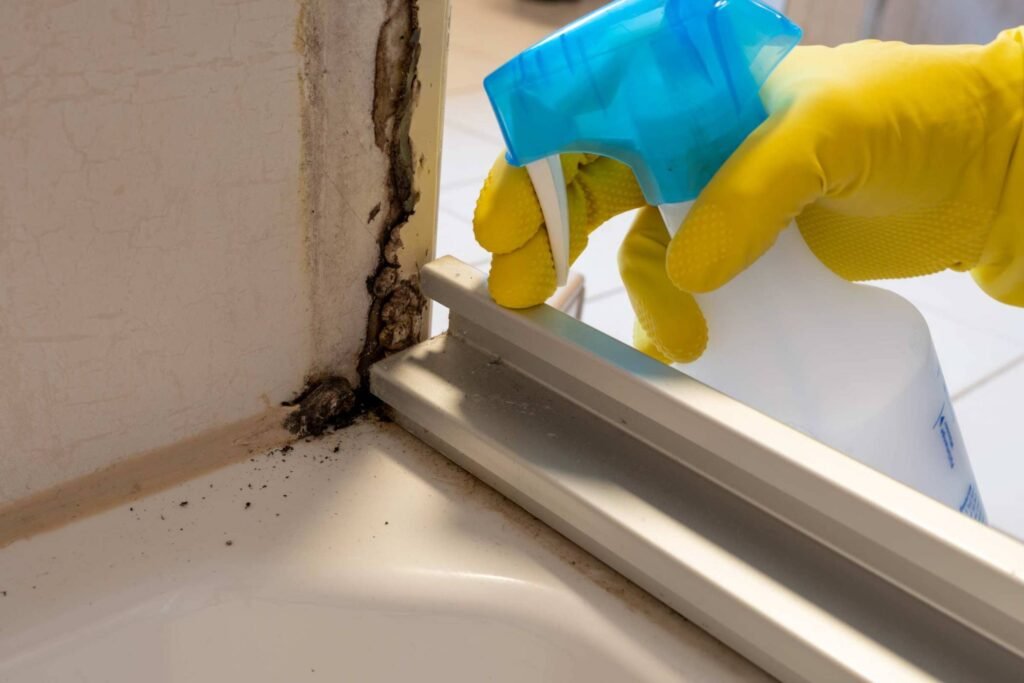
Water damage can quietly ruin your home, valuables, and peace of mind before you even notice it.
From slow leaks behind walls to floods in the basement, the costs can be very high. The good news is that water damage is largely preventable with the right habits and systems.
In this guide, we will go through practical, actionable steps to help prevent water damage in the future.
Why Preventing Water Damage Matters
The Cost of Water Damage
Water damage affects more than furniture and floors. It can compromise your home’s structure.
Minor leaks can cost hundreds of dollars, while serious flooding can run into tens of thousands, not including mold remediation or lost items.
Water damage can also impact the value of your property and may create long-term issues if not addressed promptly.
Common Causes of Water Damage
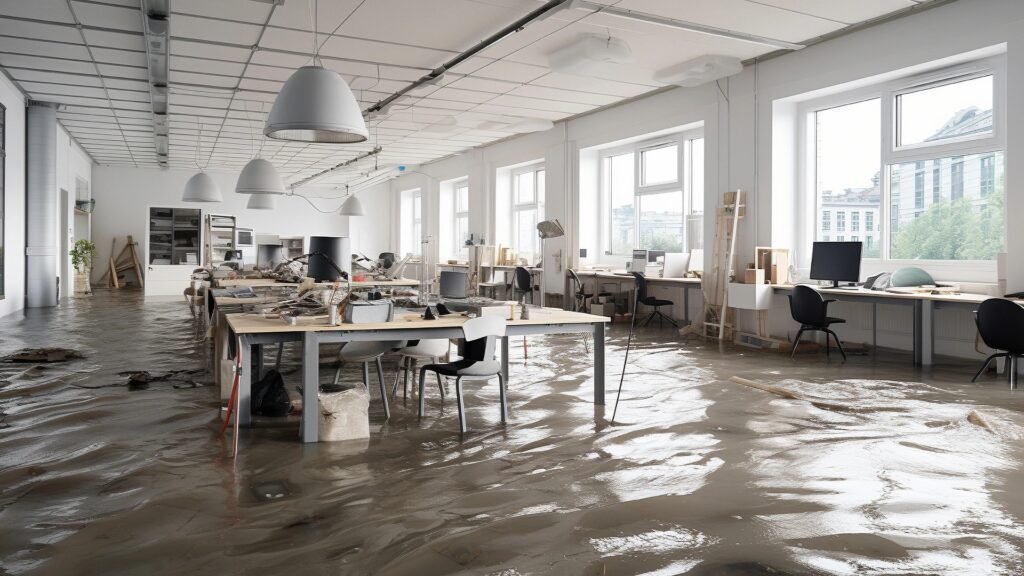
Understanding the causes helps in prevention. Common culprits include:
- Leaky pipes or roofs
- Clogged gutters
- Appliance failures
- Poor drainage
- Natural disasters like storms and floods
Roof Inspection
Check for Missing or Damaged Shingles
Missing or curling shingles allow water entry. Replace or repair them promptly. Regular inspection of your roof can prevent serious issues later.
Clean Gutters and Downspouts
Clogged gutters can overflow, allowing water to seep into walls or foundations. Clean them at least twice a year, especially in fall when leaves and debris accumulate quickly. Proper gutter maintenance also helps prevent basement flooding.
Plumbing Maintenance
Inspect for Leaks Under Sinks and Appliances
Check monthly under sinks and behind washing machines to catch small drips before they become major problems. Even minor leaks can cause mold and structural damage over time.
Upgrade Old Pipes
Replace old galvanized pipes with PEX or copper to avoid corrosion and failure. Older piping systems are more prone to bursting and leaks, which can lead to expensive repairs.
Insulate Pipes in Cold Weather
Insulate exposed pipes to prevent freezing and bursting. Frozen pipes are a common cause of water damage during winter months, and pipe insulation can significantly reduce this risk.
Basement Waterproofing
Seal Cracks in Walls and Floors
Use waterproof sealants to prevent water intrusion through tiny cracks. Even small cracks can allow water to seep in and damage your basement flooring and walls over time.
Install a Sump Pump
A sump pump removes accumulating water automatically, especially during heavy rainfall. It acts as a safeguard against basement flooding and water damage to valuable items stored there.
Water Leak Detectors
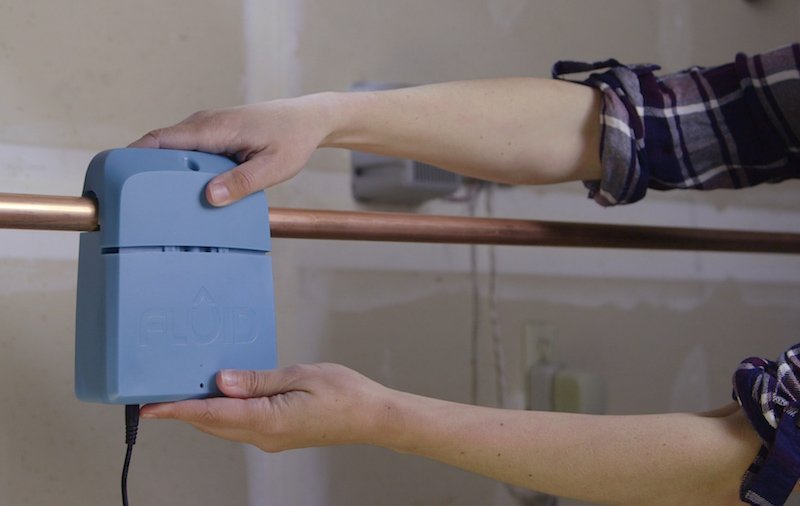
Smart Leak Sensors
Smart sensors alert you immediately to moisture, which is especially useful if you are away from home or asleep. Early detection can prevent major water damage and costly repairs.
Ideal Placement
Place sensors near water heaters, washing machines, under sinks, basement floors, and HVAC systems. These areas are most prone to leaks and flooding.
Monitor Water Bills
An unusually high water bill can indicate hidden leaks. If your water usage has not increased, investigate promptly. Monitoring water consumption helps detect plumbing issues early.
Landscaping and Yard Grading
Direct Water Away from Your Home
Regrade your yard or install proper drainage to prevent water from pooling near the foundation. Water should flow away from the home to reduce the risk of flooding.
Avoid Planting Near Pipes or Foundation
Tree roots can damage pipes and foundations. Keep large plants and trees at a safe distance. Landscaping choices can significantly impact water damage prevention.
Backwater Valve Installation
Prevent Sewage Backups
A backwater valve stops sewage from backing up during floods or heavy rains. Installing a backwater valve can prevent extensive property damage and health hazards caused by sewage flooding.
Appliance Maintenance
Check Hoses on Washing Machines and Dishwashers
Replace rubber hoses every five years or use braided stainless-steel hoses for added durability. Regular appliance maintenance reduces the risk of leaks that could damage your home.
Water Heater Care
Flush water heaters annually to remove sediment and inspect for corrosion or leaks. Proper maintenance extends the life of the water heater and prevents unexpected water damage.
Post-Storm Inspection
Inspect Attics, Basements, and Crawl Spaces
Hidden areas often show early signs of leaks after storms. Use a flashlight to check these areas. Prompt inspection after storms can prevent long-term water damage and mold growth.
Professional Home Inspection
Older homes or new purchases benefit from professional inspections for roof damage, drainage issues, or hidden leaks. Professional guidance ensures that potential problems are identified and addressed before they escalate.
Storing Valuables
Keep Important Items Elevated
Store documents, photos, and electronics in waterproof containers on shelves instead of on floors. Proper storage reduces the risk of damage during minor flooding events.
Emergency Water Damage Plan
Prepare Ahead
Have a checklist ready: shut off water, unplug electronics, move valuables, and call a water damage restoration company. Being prepared reduces stress and damage during an emergency.
When to Call Professionals
Even with preparation, water may enter your home. Contact San Diego Water Damage Pros for 24/7 emergency restoration services. Fast action can minimize damage and save costs in the long term.
Visit San Diego Water Restoration Pros for more information or to request immediate assistance.
Conclusion
Most water damage is preventable with regular maintenance, smart technology, and proactive planning. Preventing water damage protects your home, valuables, and peace of mind. If water intrusion occurs, act quickly and contact professionals to mitigate damage and restore your property.
FAQs
How often should I inspect my roof?
Inspect at least twice a year, in spring and fall, and after major storms.
Are water leak detectors worth it?
Yes, they are affordable and alert you to leaks before serious damage occurs.
Can landscaping affect water damage risk?
Yes, poor grading or planting near the foundation can increase water damage risk.
What appliance commonly causes water damage?
Washing machines with old rubber hoses are a frequent source.
When should I call a professional?
If you notice leaks or are unsure about your plumbing, roof, or drainage conditions, call a professional for inspection and advice.

Joseph Heyman is a licensed Damage Restoration Expert with over two decades of experience in environmental remediation and property recovery. As a seasoned specialist, Joseph has built a reputation for technical excellence and integrity, ensuring homes and businesses are restored safely and efficiently after a disaster.
𝗖𝗲𝗿𝘁𝗶𝗳𝗶𝗰𝗮𝘁𝗶𝗼𝗻𝘀: Joseph holds advanced IICRC certifications in Water Damage Restoration (WRT), Applied Microbial Remediation (Mold), Applied Structural Drying (ASD), Odor Control, and Fire and Smoke Restoration.
𝗙𝗮𝘃𝗼𝗿𝗶𝘁𝗲 𝗣𝗮𝘀𝘁𝗶𝗺𝗲: An outdoor enthusiast at heart, Joseph spends his weekends mountain biking and coaching local youth soccer leagues.
𝗕𝗲𝘀𝘁 𝗣𝗮𝗿𝘁 𝗼𝗳 𝘁𝗵𝗲 𝗝𝗼𝗯: Joseph finds the greatest reward in restoring peace of mind. He takes pride in guiding families through the complexities of property loss and delivering a safe, healthy environment once the work is complete.