
Trusted by 155+ Homeowners
Storm Damage Restoration in Fallbrook, CA
- Over 157 5-Star Reviews
- Free Estimates and Quotes
- 100% Satisfaction Guaranteed
- Child, Family & Pet Safe Steps
- 24-Hour Emergency Service
- Fully Licensed & Insured

When the Skies Turn Angry: Fallbrook, CA Storm Damage Restoration
Did you know that even seemingly minor wind damage can compromise your roof’s integrity by up to 80%? It’s true. A single fallen branch or a strong gust can create subtle entry points for water that you might not notice for weeks. Dealing with storm damage requires immediate attention to prevent further deterioration of your home. We’re here to help you navigate these unexpected challenges.
Homeowners around here have chosen our team over 165 five-star reviews because we understand the unique weather patterns affecting properties in Fallbrook, CA. You want a team that’s not just skilled but also genuinely invested in your neighborhood’s well-being. We provide the practical, no-nonsense help you need when your home has been impacted by a storm.
- We focus on immediate stabilization to prevent secondary damage from wind or rain.
- Our team works directly with your insurance adjuster to simplify the claims process for you.
- We use advanced drying and dehumidification techniques to restore your home’s healthy environment.
How Our Storm Damage Restoration Process Works
A well-defined process is critical for effective storm damage restoration. Cutting corners can lead to lingering moisture problems, mold growth, and weakened structural components. We follow a methodical approach, ensuring every aspect of the damage is addressed, from initial assessment to final restoration. You’ll know exactly what to expect as we bring your property back to its pre-storm condition.
Initial Damage Assessment
Our certified technicians will arrive promptly to conduct a thorough inspection of your property. We’ll identify all areas affected by the storm, documenting the extent of the damage with detailed notes and photographic evidence. This initial assessment is crucial for creating an accurate restoration plan and for insurance purposes. We aim to complete this within 24-48 hours of your call.
Emergency Water Extraction and Drying
If your home has suffered water intrusion, prompt extraction is key. We use powerful truck-mounted vacuums and industrial-grade pumps to remove standing water quickly. Following extraction, we deploy specialized drying equipment like air movers and dehumidifiers to lower moisture levels and prevent mold. This phase can take 3-5 days depending on the severity of the water damage.
Structural Stabilization
Severe storms can cause significant structural issues, such as damaged roofs, broken windows, or compromised walls. We’ll board up openings, tarp damaged roofs, and reinforce weakened structures to prevent further damage and ensure the safety of your home. This stabilization work is often completed within 12-24 hours after the initial assessment.
Debris Removal and Cleanup
Storms often leave behind significant debris, both inside and outside your home. Our crews will carefully remove fallen branches, damaged building materials, and any other storm-related debris. We’ll also perform thorough cleaning and sanitization of affected areas to create a safe living environment. This cleanup can take 1-3 days, depending on the volume of debris.
Restoration and Rebuilding
Once the drying and cleanup are complete, we move into the rebuilding phase. This involves repairing drywall, replacing flooring, fixing roofing damage, and any other necessary construction work to restore your home’s appearance and function. We aim to complete these repairs efficiently, keeping you informed throughout the process. The timeline for this stage varies greatly, from a few days to several weeks.
Don’t let storm damage linger. Contact us today for a swift and effective response to protect your home and your investment. We’ll get your property back to normal faster.
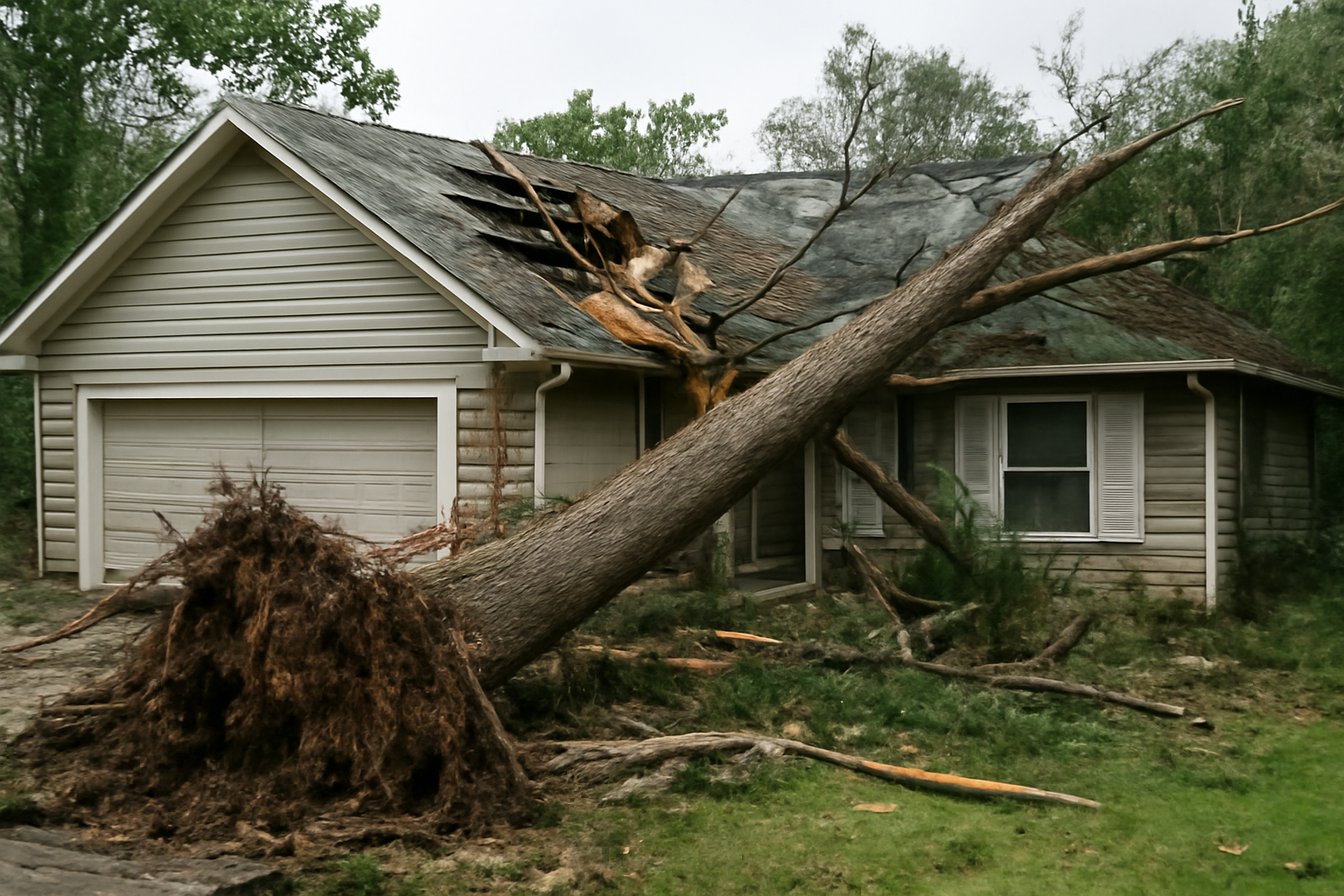
Warning Signs You Need Storm Damage Restoration
Ignoring the subtle signs of storm damage can lead to much larger, more expensive problems down the line. Catching these issues early is always more cost-effective. We’ve seen many situations where minor damage escalated due to delayed intervention. Pay attention to these indicators after a significant weather event.
Musty Odors That Won’t Go Away
Persistent musty smells, especially in basements or attics, often indicate hidden moisture and potential mold growth. This is a clear sign that water has entered your home and isn’t drying properly. You should address this immediately.
Visible Water Stains on Walls or Ceilings
Discolored patches on your walls or ceilings are direct evidence of water intrusion. These stains mean water has penetrated the building materials and could be causing underlying rot or mold. Don’t delay in investigating the source.
Sagging Ceilings or Walls
If you notice any bowing or sagging in your ceilings or walls, it could be due to water saturation weakening the drywall or supporting structures. This is a serious structural concern that needs urgent professional attention.
Damaged or Missing Shingles
After high winds or hail, check your roof for missing, cracked, or curled shingles. Even minor roof damage can allow significant amounts of water into your attic and living spaces. This is a primary point of entry for water.
Leaking Around Windows and Doors
Storms can compromise the seals around your windows and doors, leading to drafts and water leaks. Check for any signs of water seeping in during or after rain. This damage can affect your home’s energy efficiency.
Unusual Sounds from Your Roof
Creaking, popping, or dripping sounds coming from your roof or attic after a storm could indicate structural stress or active water leaks. These sounds are your home’s way of telling you something is wrong and needs immediate inspection.
Storm Damage Restoration vs. DIY: When To Call a Professional
| Situation | DIY? | Call a Pro? | Why |
|---|---|---|---|
| Minor roof leak (e.g., a few loose shingles) | Yes, with caution | Yes | DIY can be risky; pros ensure proper repair and prevent future leaks. |
| Standing water in a small area (e.g., 1-2 sq ft) | Yes, with proper equipment | Yes | Proper drying is crucial to prevent mold; pros have industrial equipment. |
| Extensive water damage or flooding | No | Yes | Requires immediate, large-scale water extraction and drying to prevent structural damage. |
| Visible mold growth | No | Yes | Mold remediation requires specialized knowledge, equipment, and safety protocols. |
| Structural damage (e.g., sagging roof, damaged walls) | No | Yes | Structural integrity is paramount; requires expert assessment and repair. |
| Insurance claim filing assistance needed | No | Yes | Pros know how to document damage effectively for insurance adjusters. |
While minor issues might seem manageable, storm damage often involves hidden risks and requires specialized equipment. For anything beyond superficial damage, calling a professional is the safest and most effective approach. It ensures your home is properly restored and protected against future problems.
Storm Damage Restoration Cost In Fallbrook, CA
The cost of storm damage restoration in Fallbrook, CA varies significantly based on the extent of the damage, the size of your property, and the specific materials needed for repair. These figures are general estimates and not guarantees. A detailed on-site assessment is necessary for an accurate quote.
| Service Aspect | Typical Price Range | What Affects Cost |
|---|---|---|
| Emergency Board-Up & Tarping | $500 – $2,500 | Size of area needing protection, complexity of access. |
| Water Extraction & Dehumidification | $750 – $3,000 | Amount of water, square footage, duration of drying needed. |
| Structural Repair (Roofing, Walls) | $1,000 – $10,000+ | Severity of damage, materials required, extent of structural compromise. |
| Drywall Repair & Replacement | $500 – $2,500 | Square footage of damaged drywall, finishing and painting needed. |
| Flooring Replacement (e.g., Carpet, Wood) | $500 – $5,000+ | Type of flooring, square footage, subfloor damage. |
| Mold Remediation (if secondary damage occurs) | $1,000 – $5,000+ | Extent of mold infestation, containment needs, specialized treatments. |
These costs often align with what insurance policies cover for storm damage. We provide free estimates and can guide you through the insurance claim process to help manage expenses. Let us assess your damage accurately.
Service Areas Near Fallbrook, CA
Bonsall, Oceanside, Vista, San Marcos, Escondido, Pala, Temecula, Fallbrook, Rainbow, Carlsbad, Encinitas, La Costa, Camp Pendleton, Fallbrook Naval Weapon Station, De Luz, San Luis Rey, Lake San Marcos, Valley Center, Rincon, Bonsall Village.
Common Questions About Storm Damage Restoration
What should I do immediately after a storm damages my home?
Your first step should be to ensure everyone’s safety. If there are immediate hazards like downed power lines or structural instability, evacuate the area. Then, document the damage with photos or videos for your insurance claim. Next, contact our team for an emergency inspection. We’ll help you understand the next steps and begin mitigation to prevent further damage. It’s important to act quickly to minimize long-term issues.
How long does storm damage restoration typically take?
The timeline for storm damage restoration can vary significantly, from a few days for minor incidents to several weeks or even months for extensive damage. Factors like the severity of the storm, the amount of water intrusion, the extent of structural damage, and the availability of materials all play a role. We provide an estimated timeline after our initial assessment and keep you updated as work progresses. Our goal is to restore your home efficiently.
Is storm damage covered by my homeowner’s insurance?
Generally, most homeowner’s insurance policies cover damage caused by wind, hail, and lightning, which are common storm elements. However, coverage for flooding or surface water intrusion can be more complex and may require a separate flood insurance policy. We work closely with insurance adjusters to document the damage properly, which can help ensure you receive the coverage you’re entitled to. We’ll help you understand what’s typically covered.
How do you prevent mold after storm damage?
Preventing mold is a critical part of our storm damage restoration process. We use industrial-grade dehumidifiers and air movers to rapidly dry out affected areas, bringing moisture levels back to normal. Prompt water extraction and thorough drying within 24-48 hours are key to preventing mold growth. If mold has already started, our technicians are trained in safe and effective mold remediation techniques.
What are the risks of not fixing storm damage promptly?
Delaying storm damage repairs can lead to a cascade of serious problems. Unaddressed water intrusion can cause structural rot, weakening your home’s framework. It can also create the perfect environment for mold and mildew growth, leading to respiratory issues and further property damage. Furthermore, minor damage can escalate into major structural failures, making repairs far more costly and complex down the line. Addressing storm damage quickly is essential for your home’s long-term health and safety.
Check Our Other Relevant Services

Joseph Heyman is a licensed Damage Restoration Expert with over two decades of experience in environmental remediation and property recovery. As a seasoned specialist, Joseph has built a reputation for technical excellence and integrity, ensuring homes and businesses are restored safely and efficiently after a disaster.
𝗖𝗲𝗿𝘁𝗶𝗳𝗶𝗰𝗮𝘁𝗶𝗼𝗻𝘀: Joseph holds advanced IICRC certifications in Water Damage Restoration (WRT), Applied Microbial Remediation (Mold), Applied Structural Drying (ASD), Odor Control, and Fire and Smoke Restoration.
𝗙𝗮𝘃𝗼𝗿𝗶𝘁𝗲 𝗣𝗮𝘀𝘁𝗶𝗺𝗲: An outdoor enthusiast at heart, Joseph spends his weekends mountain biking and coaching local youth soccer leagues.
𝗕𝗲𝘀𝘁 𝗣𝗮𝗿𝘁 𝗼𝗳 𝘁𝗵𝗲 𝗝𝗼𝗯: Joseph finds the greatest reward in restoring peace of mind. He takes pride in guiding families through the complexities of property loss and delivering a safe, healthy environment once the work is complete.


