
Trusted by 155+ Homeowners
HVAC Water Damage Restoration in Serra Mesa, CA
- Over 157 5-Star Reviews
- Free Estimates and Quotes
- 100% Satisfaction Guaranteed
- Child, Family & Pet Safe Steps
- 24-Hour Emergency Service
- Fully Licensed & Insured
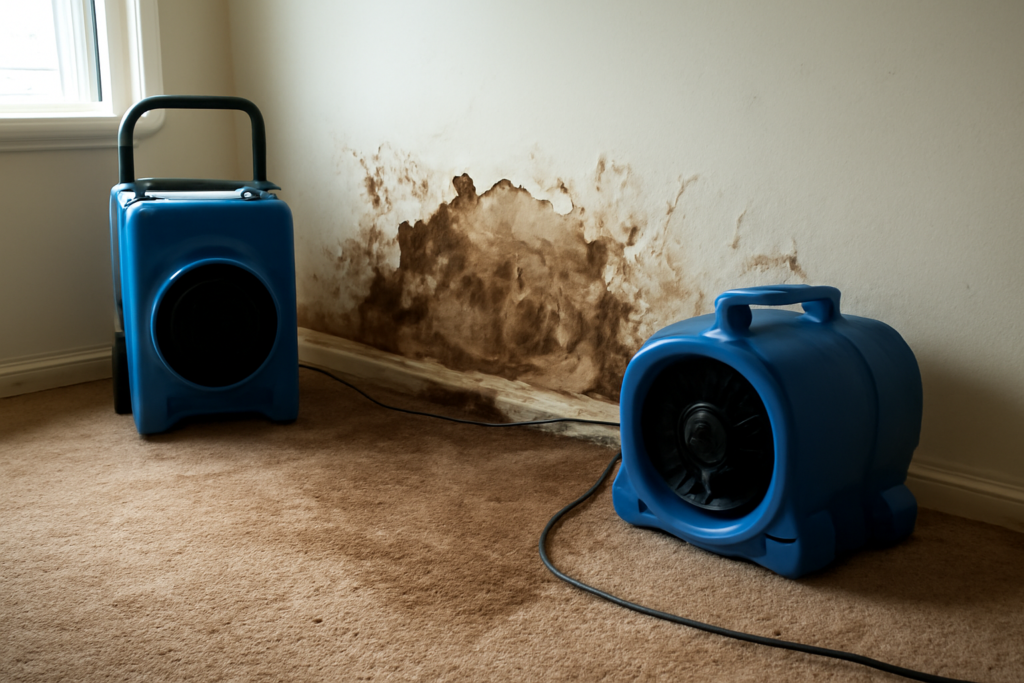
When Your HVAC System Becomes a Water Source in Serra Mesa, CA
You hear it first: a drip, then a steady trickle. Suddenly, you see water pooling around your HVAC unit, or worse, seeping into your ceiling or walls. It’s not just a leak; it’s a water damage emergency originating from your air conditioning or heating system. This isn’t typical water damage; it requires specialized knowledge to address the source and the aftermath. You need immediate action to prevent further saturation and protect your property from hidden moisture.
Locals around here trust our team because we understand the unique challenges of HVAC water damage. With over 165 five-star reviews, you can see why homeowners consistently choose us for these specific, often complex, water issues. We don’t just clean up; we meticulously dry, dehumidify, and restore your home, focusing entirely on the problems caused by your HVAC system. We’re known for our fast response times and thorough drying methods.
- We pinpoint the exact HVAC component causing the water intrusion, preventing recurrence and ensuring the system is fully repaired before we finish drying.
- Our specialized equipment targets the unique drying needs of ductwork and enclosed spaces often affected by HVAC leaks, reaching moisture others miss.
- We go beyond visible water, using advanced tools to detect and dry hidden moisture within walls and insulation that can lead to mold growth.
The Technical Process for HVAC Water Damage Restoration
Fixing HVAC water damage is more than just mopping up. It’s a scientific process that requires understanding airflow, material science, and precise moisture measurement. Cutting corners here means you’ll likely face mold issues and structural damage down the line. Our crews follow strict protocols to ensure your home is truly dry and safe again. We use advanced moisture meters to track progress and industry-standard drying techniques to remove every trace of dampness.
1. Emergency Containment and Assessment
First, we identify the source of the leak within your HVAC system. Is it a clogged condensate drain line, a refrigerant leak causing freezing, or a cracked evaporator coil? Our technicians carefully assess the extent of the water damage, noting affected materials and potential hidden moisture zones. We’ll set up containment barriers to prevent the spread of water and contaminants. This initial step is crucial for a successful restoration plan.
2. Water Extraction
Once the source is addressed, we immediately begin removing standing water. We use powerful, truck-mounted or portable extraction units designed to pull water from carpets, padding, and subfloors. For harder-to-reach areas, like inside ductwork or behind walls, we employ specialized pumps and vacuum systems. Efficient water extraction is key to minimizing saturation and starting the drying process sooner.
3. Advanced Drying and Dehumidification
This is where our technical expertise truly shines. We deploy a strategic network of high-speed air movers and industrial-grade dehumidifiers. These machines work together to accelerate evaporation from all affected surfaces and materials. We monitor humidity levels and air temperature constantly, adjusting equipment placement and settings to achieve optimal drying. Our goal is to bring your property back to its normal moisture content, preventing secondary damage. This phase relies on precise environmental control.
4. Moisture Detection and Monitoring
Drying isn’t complete until all hidden moisture is gone. Our technicians use specialized equipment, including penetrating and non-penetrating moisture meters, thermal imaging cameras, and hygrometers. These tools allow us to measure moisture content within building materials like drywall, wood, and insulation. We continue monitoring until readings consistently match pre-loss conditions, ensuring complete structural drying.
5. Cleaning and Sanitization
After thorough drying, we clean and sanitize all affected areas. This includes cleaning ductwork if it was contaminated, removing any waterborne odors, and treating surfaces to prevent mold or bacteria growth. We use EPA-approved cleaning agents to ensure a healthy environment for your family. This step is vital for restoring not just dryness, but also the safety of your indoor air.
Don’t let HVAC water damage linger. Call us now to get our expert crews on-site immediately. We’ll handle the complex drying and restoration process for you, saving you time and stress.

Warning Signs You Need HVAC Water Damage Restoration
Your HVAC system is designed to condition air, not distribute water. If you notice any of these subtle or obvious signs, it’s a clear indicator that your system is leaking and causing damage. Catching these early can save you from much more extensive repairs and health issues down the road. Ignoring them means potential long-term problems are brewing.
Musty Odors That Won’t Go Away
A persistent, musty, or mildew-like smell, especially when your HVAC system is running, is often the first sign of hidden moisture. This odor indicates mold or bacteria are likely growing due to dampness in your ductwork or around the unit. It’s a strong signal for immediate system inspection.
Visible Water Around the HVAC Unit
Seeing puddles of water on the floor surrounding your furnace or air handler is a direct sign of a leak. This could be from a clogged condensate drain, a faulty pump, or a refrigerant issue causing ice buildup that then melts. This requires prompt water removal and repair.
Water Stains on Ceilings or Walls
If you spot discolored, sagging, or damp-looking spots on your ceiling or walls, especially directly below or near HVAC vents or the main unit, your system is likely leaking inside your walls or above your ceiling. This moisture can compromise structural integrity and lead to mold. Address this visible damage quickly.
Humidity Levels Seem Off
An HVAC system that’s malfunctioning and leaking water often struggles to control indoor humidity. If your home feels unusually damp or clammy, even when the air conditioner is on, or if condensation is forming on windows, it could be an HVAC water issue. Maintaining proper humidity control is key.
Mold or Mildew Growth
You might see visible mold or mildew growing on or around your HVAC unit, on nearby surfaces, or even inside the vents. This is a serious warning sign that water has been present long enough for mold to establish itself, posing significant health risks.
Unusual Noises from the Unit
While not always directly related to water, gurgling or dripping sounds coming from your HVAC system can indicate a blockage or leak within the unit itself, especially in the condensate drain lines or refrigerant coils. These sounds are a clue to investigate system function.
HVAC Water Damage Restoration vs. DIY: When To Call a Professional
| Situation | DIY? | Call a Pro? | Why |
|---|---|---|---|
| Small puddle around the AC unit | Yes, if you can identify and clear a simple condensate drain clog yourself. | Yes, if the puddle is large, recurring, or you can’t find the source. | HVAC leaks can be complex; incorrect DIY fixes can worsen damage. |
| Water stains on ceiling tiles | No. | Yes, immediately. | Ceiling water damage indicates significant saturation and potential mold growth within structures. |
| Musty smell when AC runs | No, unless you can pinpoint and fix a very minor drain issue. | Yes, always. | Odors mean hidden moisture and potential mold, requiring professional assessment and drying. |
| Visible mold on the HVAC unit | No. | Yes, immediately. | Mold requires specialized containment and remediation to prevent spreading spores throughout your home. |
| Water intrusion into ductwork | No. | Yes, always. | Ductwork is a complex system; improper cleaning can spread contaminants and lead to mold. |
| Dampness inside walls or insulation | No. | Yes, immediately. | Hidden moisture requires advanced detection and drying equipment to prevent structural rot and mold. |
For any situation involving water that has entered your walls, ceilings, or ductwork, or if you suspect mold growth, calling a professional is non-negotiable. Our team has the specialized equipment and training to handle these complex scenarios effectively, ensuring your home is truly restored.
HVAC Water Damage Restoration Cost In Serra Mesa, CA
The cost of restoring HVAC water damage in Serra Mesa, CA, varies based on the severity of the leak, the size of the affected area, and how quickly the issue is addressed. These figures are general estimates and an on-site assessment is needed for an accurate quote. We aim for transparent cost discussions.
| Service Aspect | Typical Price Range | What Affects Cost |
|---|---|---|
| Initial Inspection & Assessment | $200 – $500 | Complexity of HVAC system, extent of visible damage. |
| Water Extraction (per affected area) | $500 – $2,000 | Amount of water, type of flooring, accessibility. |
| Structural Drying (air movers, dehumidifiers) | $750 – $3,000+ (per day/week) | Size of affected space, material saturation, drying time required. |
| HVAC System Component Repair (e.g., drain line) | $200 – $800 | Specific part needed, labor involved. |
| Ductwork Cleaning and Sanitization | $500 – $2,500 | Linear feet of ductwork, severity of contamination. |
| Mold Testing and Remediation (if applicable) | $750 – $4,000+ | Amount of mold, containment needs, specialized treatments. |
These ranges give you an idea of what to expect, but the only way to get a precise price for your specific situation is through a professional inspection. We offer free, no-obligation estimates for HVAC water damage scenarios.
Service Areas Near Serra Mesa, CA
San Diego, La Jolla, Pacific Beach, Mission Bay, Clairemont, Linda Vista, Kensington, Talmadge, Normal Heights, North Park, South Park, Hillcrest, University City, Mira Mesa, Sorrento Valley, Del Mar, Rancho Santa Fe, Poway, Escondido, Coronado.
Common Questions About HVAC Water Damage Restoration
My AC unit is leaking water, is it covered by my homeowner’s insurance?
Often, standard homeowner’s insurance policies cover water damage resulting from sudden and accidental discharge of water, but not gradual leaks or maintenance issues. You’ll need to check your specific policy details. Our team documents all damage thoroughly, which can help with your insurance claim process, providing clear photographic evidence.
How quickly do I need to deal with HVAC water damage?
You need to act immediately. Water from an HVAC leak can spread quickly and lead to significant secondary damage like mold growth, structural compromise, and damaged belongings within 24-48 hours. The faster we can start the drying process, the less damage you’ll experience.
What are the health risks associated with HVAC water damage?
The primary health risk is mold and mildew growth, which can trigger allergies, asthma, and other respiratory problems. Bacteria can also proliferate in damp environments. Our crews use specialized cleaning and sanitizing agents to ensure your home is not only dry but also safe and healthy again.
How does your team dry out HVAC ductwork?
Drying ductwork involves a multi-step process. After initial water extraction, we use specialized equipment like industrial air movers directed into the ducts and powerful dehumidifiers to lower humidity. We also perform thorough cleaning and sanitization to remove any contaminants. This ensures complete restoration of your air quality.
Can I prevent my HVAC system from leaking water in the future?
Yes, regular professional maintenance is key. This includes checking and cleaning the condensate drain line, inspecting coils for freezing issues, and ensuring proper system operation. A well-maintained HVAC system is less likely to cause water damage, protecting your home from preventable issues.
Check Our Other Relevant Services

Joseph Heyman is a licensed Damage Restoration Expert with over two decades of experience in environmental remediation and property recovery. As a seasoned specialist, Joseph has built a reputation for technical excellence and integrity, ensuring homes and businesses are restored safely and efficiently after a disaster.
𝗖𝗲𝗿𝘁𝗶𝗳𝗶𝗰𝗮𝘁𝗶𝗼𝗻𝘀: Joseph holds advanced IICRC certifications in Water Damage Restoration (WRT), Applied Microbial Remediation (Mold), Applied Structural Drying (ASD), Odor Control, and Fire and Smoke Restoration.
𝗙𝗮𝘃𝗼𝗿𝗶𝘁𝗲 𝗣𝗮𝘀𝘁𝗶𝗺𝗲: An outdoor enthusiast at heart, Joseph spends his weekends mountain biking and coaching local youth soccer leagues.
𝗕𝗲𝘀𝘁 𝗣𝗮𝗿𝘁 𝗼𝗳 𝘁𝗵𝗲 𝗝𝗼𝗯: Joseph finds the greatest reward in restoring peace of mind. He takes pride in guiding families through the complexities of property loss and delivering a safe, healthy environment once the work is complete.


